
News
Bobi heaps praises on Besigye over role in Uganda’s struggle

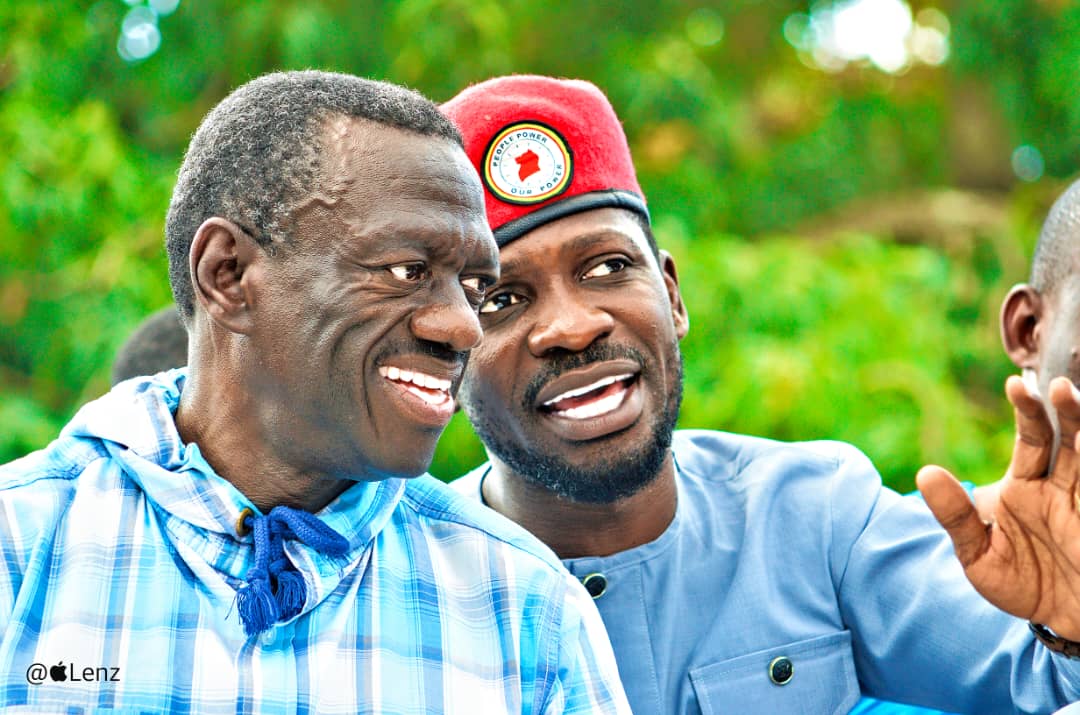
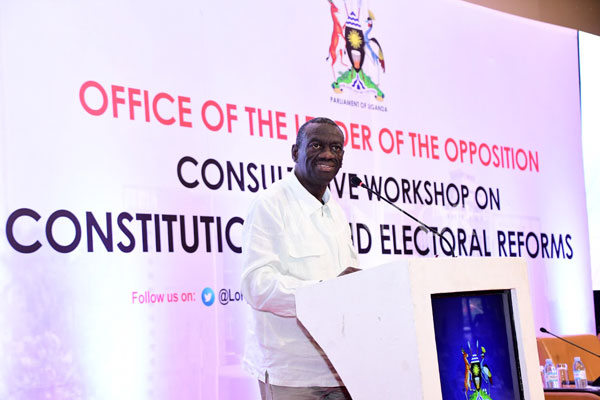
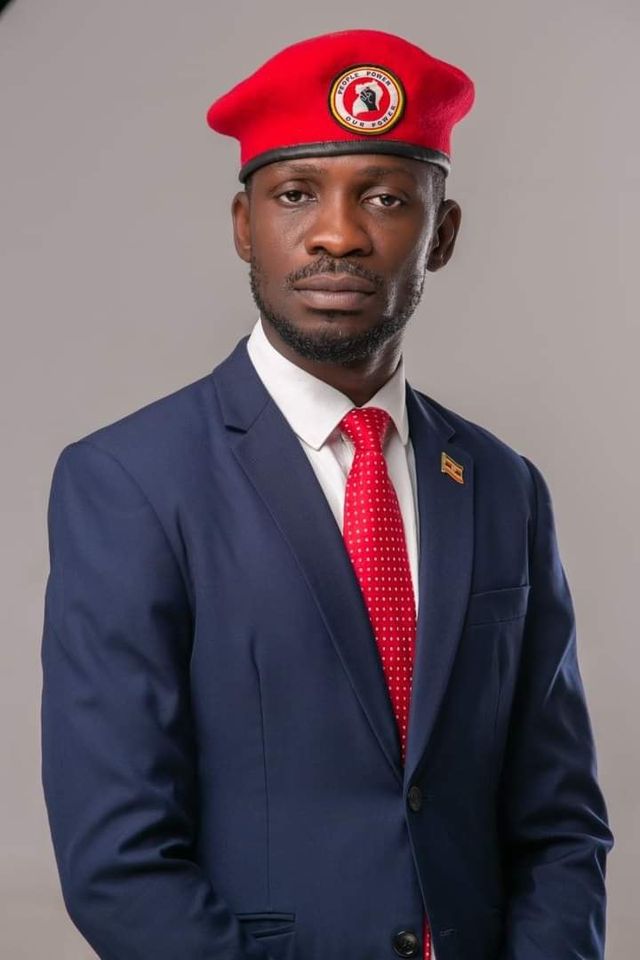
The National Unity Platform party supremo Kyagulanyi Ssentamu Robert alias Bobi Wine has heaped praises on veteran four time presidential candidate Rtd. Col. Dr. Kizza Besigye.
In a tweet authored a couple of hours back, Bobi paid tribute to Dr. Besigye who has for the past two decades challenged the dictatorship of Gen. Yoweri Museveni.
The tribute comes barely days after Bobi paid a courtesy visit to Dr. Besigye who had just returned from a medical trip to Geneva.
“Dear Dr KB, for the sacrifice you have offered to our country, for the inspiration and mentorship you have given to our generation, for the consistency of your words and actions, we are forever indebted to you,” Bobi wrote.
Bobi and Besigye shared a lot of profound memories after the popstar defied all odds in the 2016 general elections where Museveni recruited all the country’s top artistes to sing for him under the ‘Tubonga Naawe’ project.
Wine, rejected the millions of shillings that were brought to his table to entice him to be part of the Tubonga Naawe project.
Bobi instead chose to single handedly side with Besigye and in some occasions he would flank the Forum for Democratic Change party presidential campaign rallies.



Exclusive
When Elections Are Stolen and Voices Are Silenced: What Citizens Must Do to Reclaim Their Country

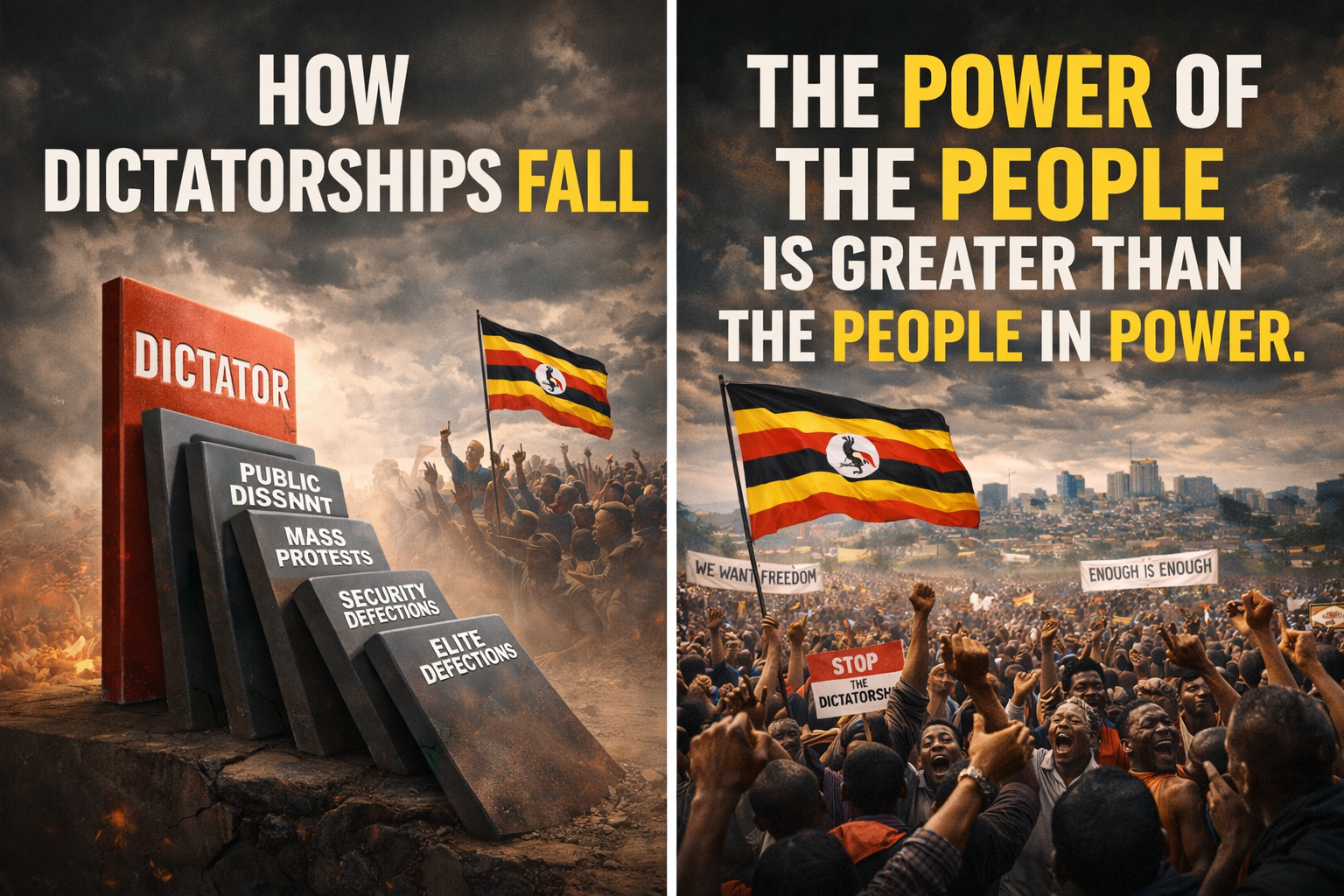
Across history, there comes a moment in every nation when citizens must confront a difficult truth: the systems meant to protect democracy have been captured. Elections no longer represent the will of the people. Courts become instruments of power. Security forces are deployed not to defend the nation but to intimidate the nation’s own citizens.
In such circumstances, people begin to ask a profound question:
What can citizens do when democratic channels are blocked?
This question is not unique to Uganda. Nations across the world have faced similar moments. In the Philippines, millions rose peacefully during the People Power Revolution and forced the removal of Ferdinand Marcos. In Sudan, sustained civic resistance during the Sudanese Revolution brought down Omar al-Bashir after three decades in power. In Eastern Europe, millions withdrew cooperation from communist regimes, triggering the collapse of governments once believed to be permanent.
These examples reveal a powerful lesson: dictatorships survive only as long as society continues to cooperate with them.
When that cooperation begins to collapse, even the most entrenched regimes start to weaken.
This article is not a call for violence. History shows that violent revolutions often lead to devastating consequences and prolonged instability. Instead, this is a strategic reflection on how citizens organize, mobilize, and reclaim their countries through collective civic power.
For Ugandans who seek change, the struggle requires clarity, unity, patience, and courage.
Understanding the Reality of Authoritarian Power
Before discussing what citizens must do, it is important to understand a fundamental truth about authoritarian systems.
A dictatorship is not sustained by one individual alone. It is supported by a network of institutions and actors, including:
security forces government officials business elites state media civil servants political loyalists
If these pillars continue to function normally, the system remains stable.
But if enough people withdraw cooperation from these pillars, the system begins to crack.
Political scholar Gene Sharp studied hundreds of movements worldwide and concluded that the most successful struggles against authoritarian rule rely on organized non-violent resistance and mass civic participation.
The key is not isolated protest.
The key is strategic, nationwide civic action.
What Ugandans Must Understand About Power
Power does not only exist in State House, parliament, or military barracks.
Power exists in:
the markets the streets universities workplaces churches and mosques taxi parks villages and towns
A government ultimately depends on the cooperation of its citizens to function.
When citizens become organized and coordinated, they possess a form of power that even heavily armed regimes struggle to control.
What Citizens Must Begin to Do
1. Build Unity Across All Divisions
One of the greatest strengths of authoritarian regimes is division among the people.
Citizens are divided by:
ethnicity religion region political parties class
As long as people remain divided, resistance remains weak.
But when citizens begin to see themselves first as Ugandans with a shared destiny, the dynamic changes completely.
Successful civic movements always create broad coalitions that include:
youth movements workers and labor unions students religious leaders professionals artists and cultural voices rural communities
The moment a movement becomes national rather than partisan, its power multiplies.
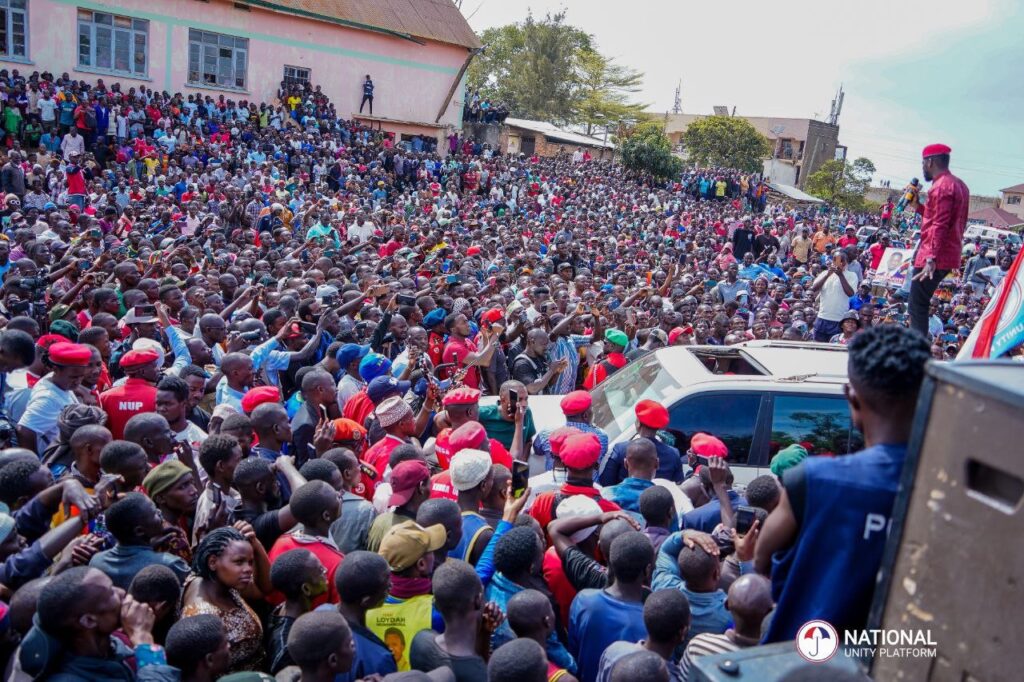
2. Withdraw Cooperation From Oppression
Authoritarian systems rely on the routine cooperation of ordinary people.
Citizens unknowingly sustain oppressive systems through daily participation.
History shows that withdrawing cooperation can be one of the most powerful tools available to citizens.
This can take many forms:
peaceful strikes by workers refusal to participate in corrupt systems boycotts of regime-connected businesses collective civic actions that demonstrate public dissatisfaction
When such actions spread widely across society, governments face enormous pressure.
The economic and administrative machinery of the state begins to slow.
3. Control the Narrative
Dictatorships depend heavily on controlling information.
State propaganda attempts to shape how citizens perceive reality.
Independent voices are often silenced or intimidated.
But modern citizens possess tools that previous generations did not.
Information can spread through:
independent journalism diaspora media networks social platforms citizen documentation of abuses international advocacy
When the truth about repression becomes widely known—both domestically and internationally—it undermines the regime’s legitimacy.
4. Organize, Not Just Protest
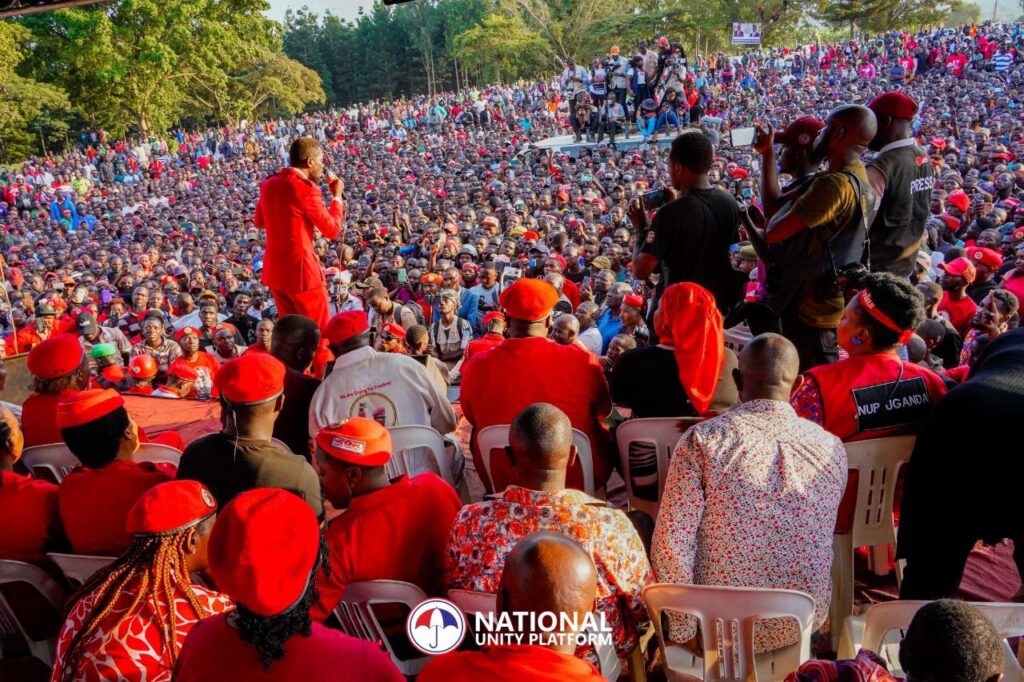
Spontaneous protests can express anger, but lasting change requires organization.
Citizens must build structured networks capable of sustained action.
These networks may include:
civic organizations youth movements professional associations community leadership groups grassroots mobilization teams
Organization transforms frustration into strategic pressure.
Without organization, movements quickly lose momentum.
5. Build Parallel Civic Structures
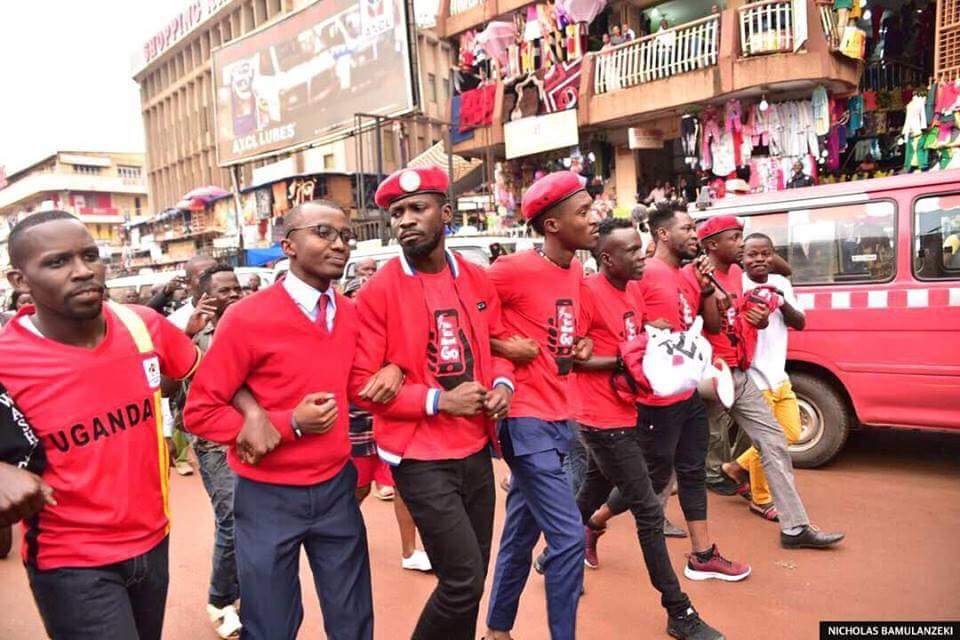
When official institutions no longer represent the people, societies often begin creating alternative civic structures.
These may include:
independent community organizations grassroots leadership councils civic education networks volunteer community services
Such structures strengthen civil society and gradually reduce dependence on state-controlled institutions.
6. Encourage Courage Within Institutions
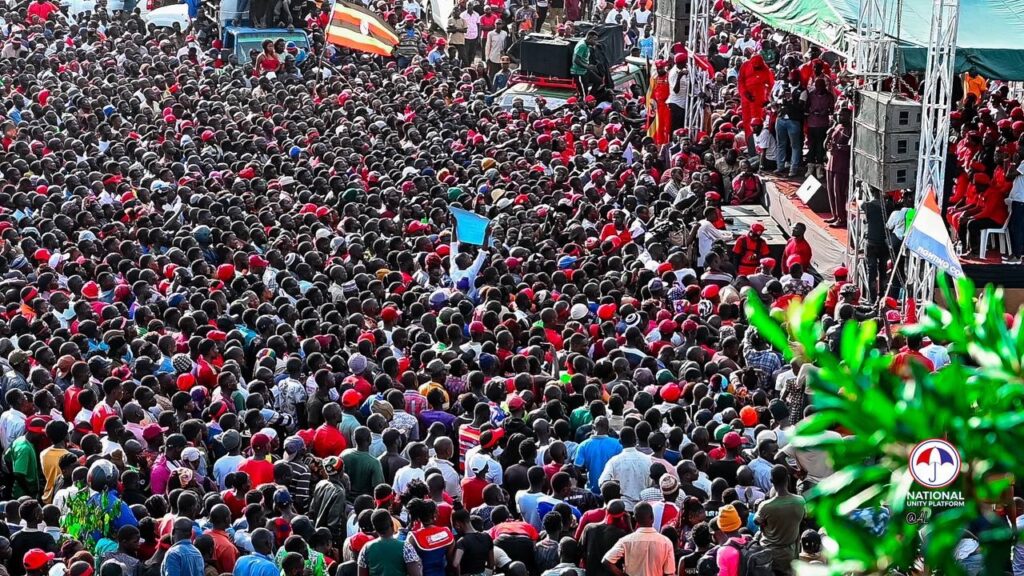
Many people within government institutions quietly disagree with authoritarian leadership but feel isolated or fearful.
History shows that change often accelerates when individuals inside institutions begin to question orders or withdraw loyalty.
This does not happen overnight.
But when citizens demonstrate unity and determination, it can inspire cracks within the ruling system.
7. Maintain Strategic Discipline
One of the most common mistakes resistance movements make is allowing anger to turn into uncontrolled confrontation.
Authoritarian regimes often provoke violence intentionally because it allows them to justify brutal crackdowns.
Disciplined movements focus on:
maintaining non-violent methods protecting civilians preserving moral legitimacy
This approach strengthens public support both domestically and internationally.
8. Learn From Other Nations
Africa itself offers powerful examples of citizen movements.
In Burkina Faso, a popular uprising in 2014 forced the resignation of Blaise Compaoré after nearly three decades in power.
In Sudan, civic groups, professionals, and youth organizations sustained protests that eventually removed Omar al-Bashir.
In the Philippines, millions of citizens peacefully occupied streets during the People Power Revolution, leading to the fall of Ferdinand Marcos.
These movements succeeded because citizens became organized, united, and persistent.
The Long Road to Change
It is important for citizens to understand that the struggle for democratic change is rarely quick.
Many successful movements took years—sometimes decades.
There will be setbacks.
There will be moments of fear.
There will be attempts to divide the people.
But history consistently shows that no regime can permanently govern against the will of a united population.
The real question is not whether change is possible.
The real question is whether citizens are prepared to organize patiently and strategically to achieve it.
The Responsibility of Every Ugandan
The future of any nation is ultimately shaped not only by its leaders but by the courage and determination of its citizens.
Every generation reaches a point where it must decide:
Will we accept the situation as permanent?
Or will we work collectively to build the country we want?
The path toward democratic transformation requires:
unity discipline organization courage persistence
When citizens recognize their collective strength and act together, history has shown that even the most entrenched systems of power can change.
The story of Uganda’s future will not be written by one individual.
It will be written by millions of citizens who decide that their nation deserves better.
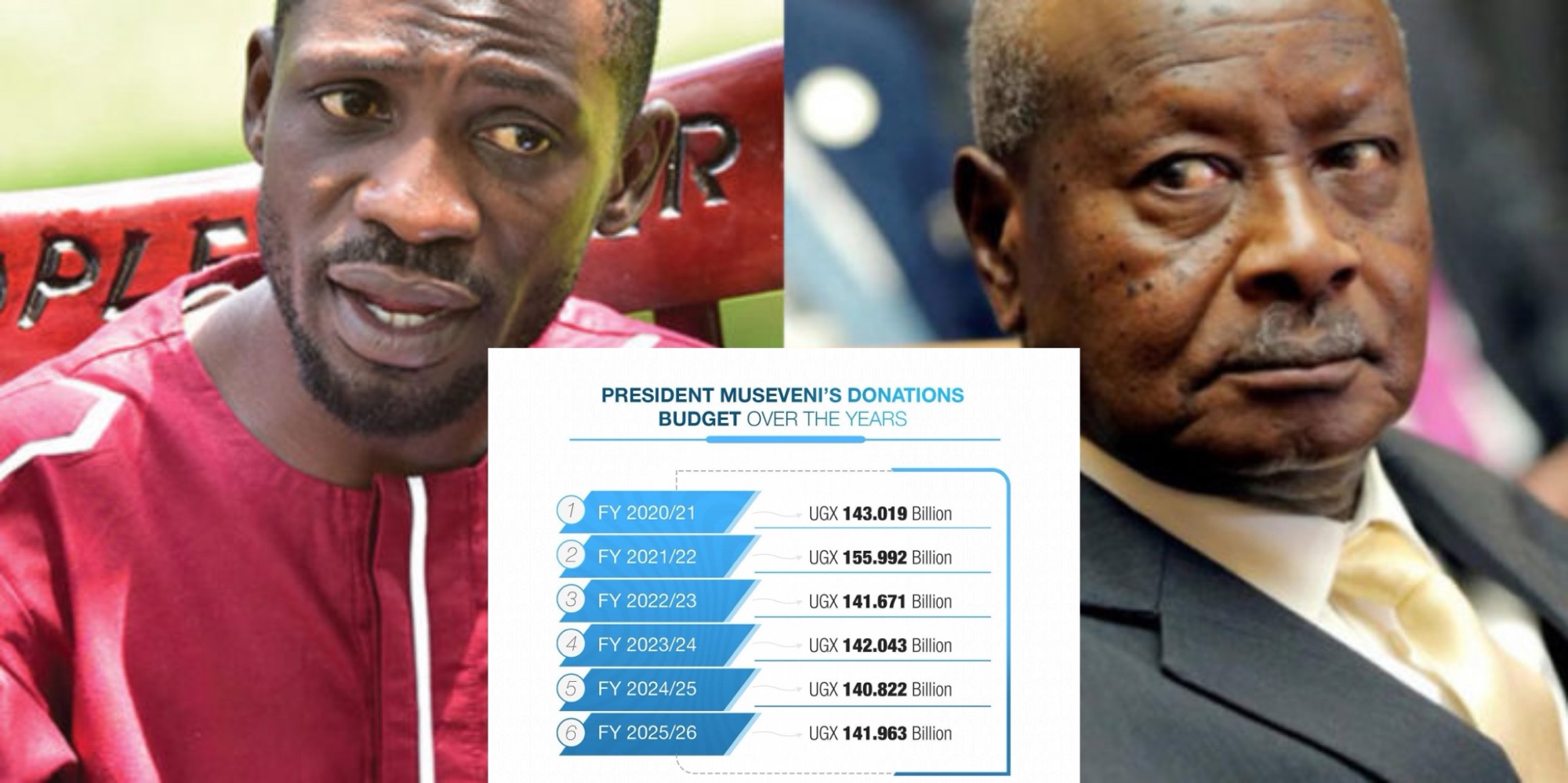
Just look at this graphic.
From FY 2020/21 to FY 2025/26, Museveni has splashed a staggering UGX 865 BILLION under the pretense of “donations.”
Did you read that right? 865 BILLION SHILLINGS!
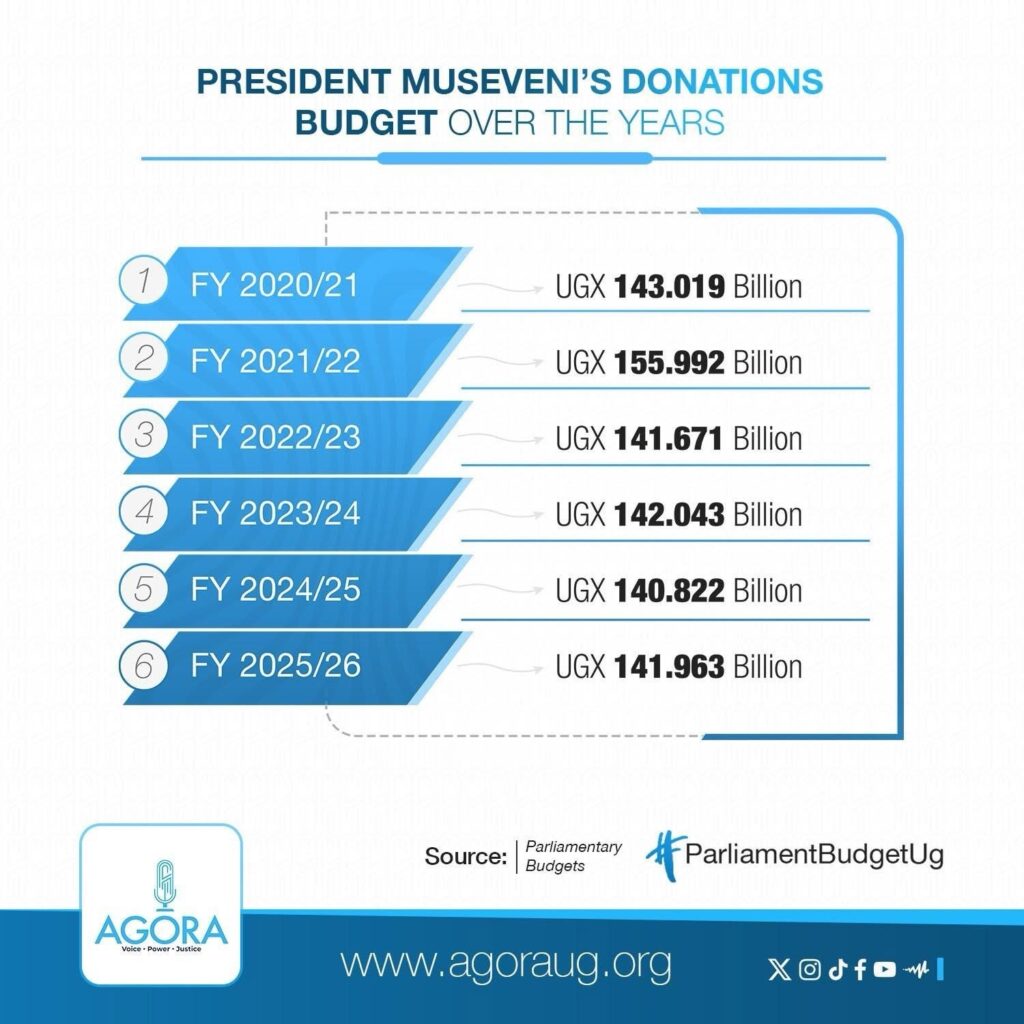
Let’s stop calling these donations.
They are not.
This is raw, shameless political bribery.
Museveni is not giving back to Ugandans—he’s buying loyalty. He is using your taxes to buy time. To buy silence. To buy relevance.
This isn’t leadership. It’s desperation.
While He Buys Praise, The Country Bleeds
Teachers are working without pay or teaching materials. Nurses and midwives are underpaid, overworked, and insulted by a failed system. Doctors are fleeing Uganda for greener pastures due to poverty-level salaries and zero equipment. Public schools are falling apart, with children learning under trees—no toilets, no books, no desks. Hospitals across the country don’t have gloves, medicine, or even beds.
And yet, Museveni keeps throwing billions around as if this is a game.
The PDM Lie – A Grand Scam in Plain Sight
The so-called Parish Development Model (PDM) was introduced as the “magic bullet” for rural development.
Museveni pumped UGX 100 million into parishes across the country—a laughable amount when you consider some parishes serve over 10,000 people.
What’s worse?
He spends billions more just to inspect the delivery of this token!
He travels with over 50 fuel-guzzling vehicles, wasting tens of millions of shillings per trip, just to “check” on a 100 million handout.
Let’s break it down:
This is the equivalent of flying a private jet across the country to deliver a single loaf of bread.
Where Could UGX 865 Billion Have Gone?
As a supporter of People Power and a proud member of the National Unity Platform (NUP), I ask:
What if that money had been used for actual nation-building?
Hundreds of functional health centers could have been constructed. Thousands of rural pit latrines could have saved children from disease. Classrooms, teachers’ houses, textbooks, and school feeding programs could have transformed education. Doctors, teachers, and nurses could have been paid well and on time.
But Museveni chose bribes over nation-building.
This Is Not Leadership – It’s Panic
Museveni is not leading.
He is surviving.
He is not serving Uganda—he is choking it for air as Bobi Wine and the People Power movement continue to rise.
He’s not responding with policies or vision.
He’s responding with donation stunts, stage-managed tours, and brown envelopes to buy headlines.
This is the behaviour of a man fighting for political oxygen, not fighting for your future.
To Every Ugandan Reading This:
That money he throws around?
It’s yours.
The taxes you pay on fuel, airtime, water, and food are being used to fund his survival tactics.
He’s not helping you.
He’s helping himself stay in power.
And while he clings to power like a drowning man, your children are learning in dust and disease. Your mothers are dying in hospitals with no medicine. Your future is being auctioned off for political mileage.
ENOUGH IS ENOUGH.
Uganda cannot and will never develop under this Museveni system.
We need transformation, not manipulation.
We need investment, not bribery.
We need justice, not favours.
We need a Uganda where leaders are accountable, not untouchable.
Where money is used to build, not to bribe.
Where power is won through service, not survival tricks.
I remain,
#JBMuwonge
#PeoplePowerOurPower
NUP/People Power Archives
Screams from Exile: Ugandans Abroad Declare War on Western-Backed Tyranny.
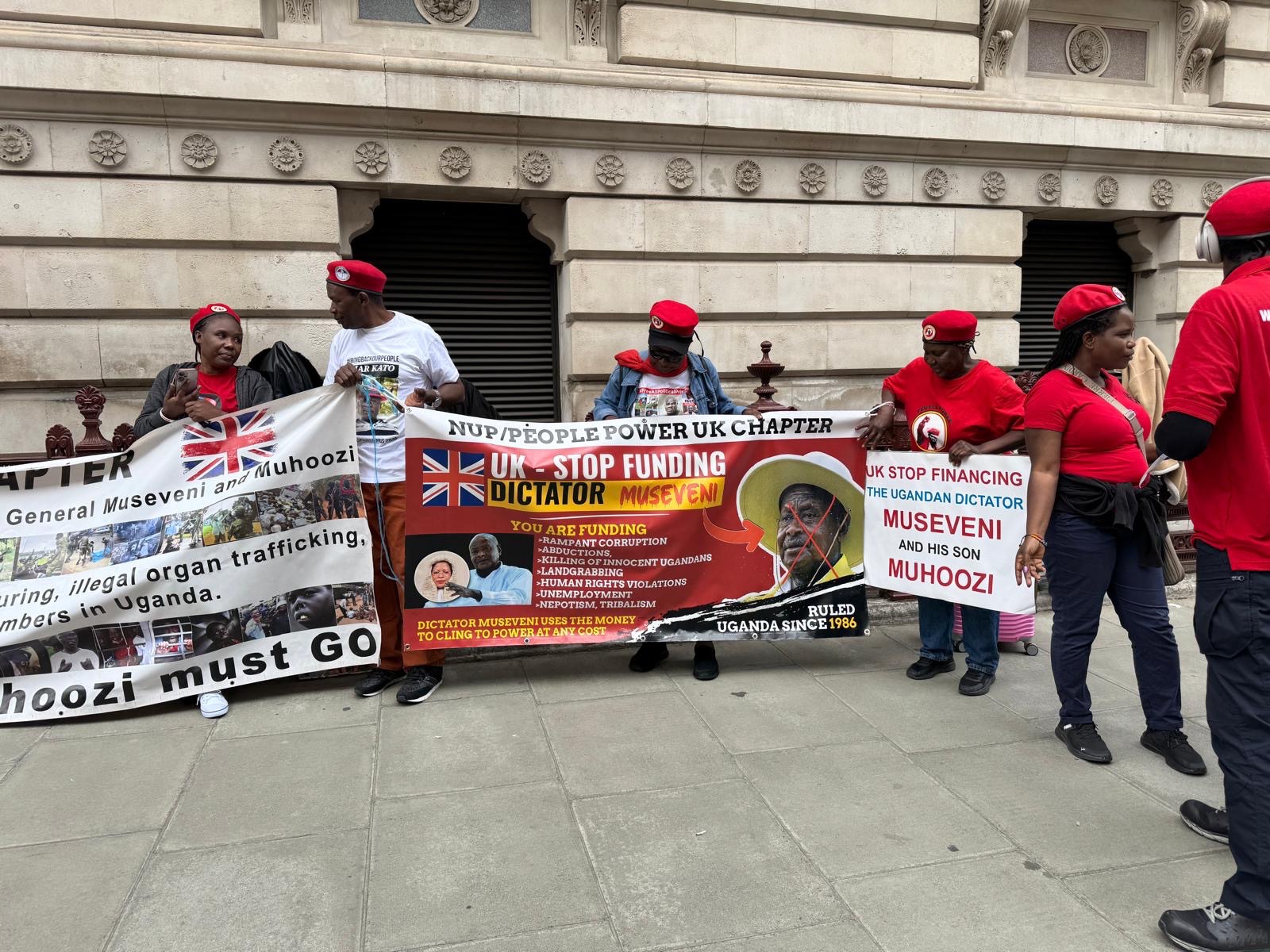
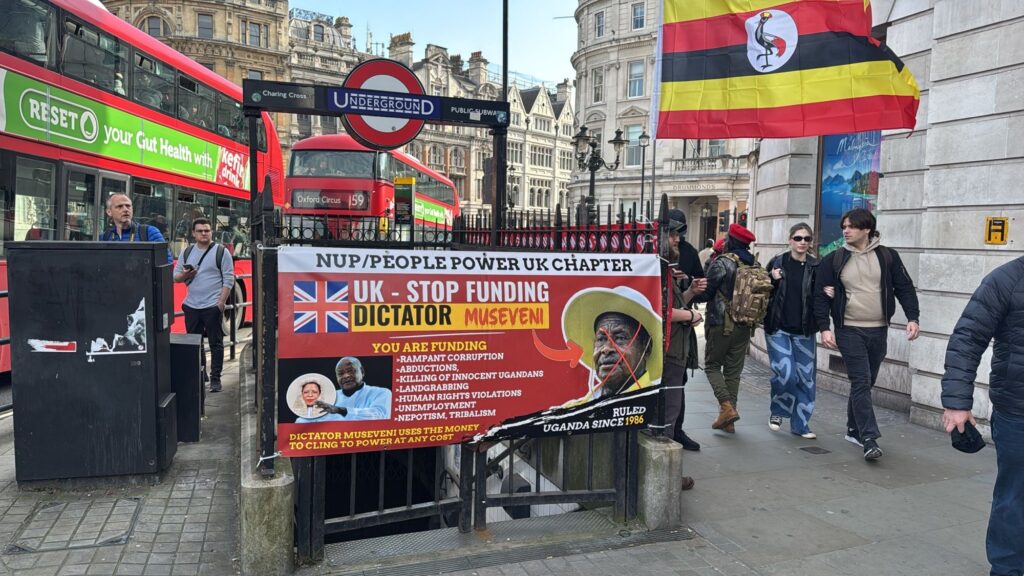
Ugandans residing in the diaspora have taken it upon themselves to expose what they see as one of the greatest betrayals of modern African democracy the continued funding and support of African dictatorships by Western nations, especially the brutal regime of General Yoweri Kaguta Museveni. For decades, these courageous Ugandans have organized demonstrations outside embassies, high commissions, and notably outside Uganda House in London, carrying placards, chanting freedom slogans, and calling on the international community to halt its enabling role in sustaining one of Africa’s longest-surviving autocracies.
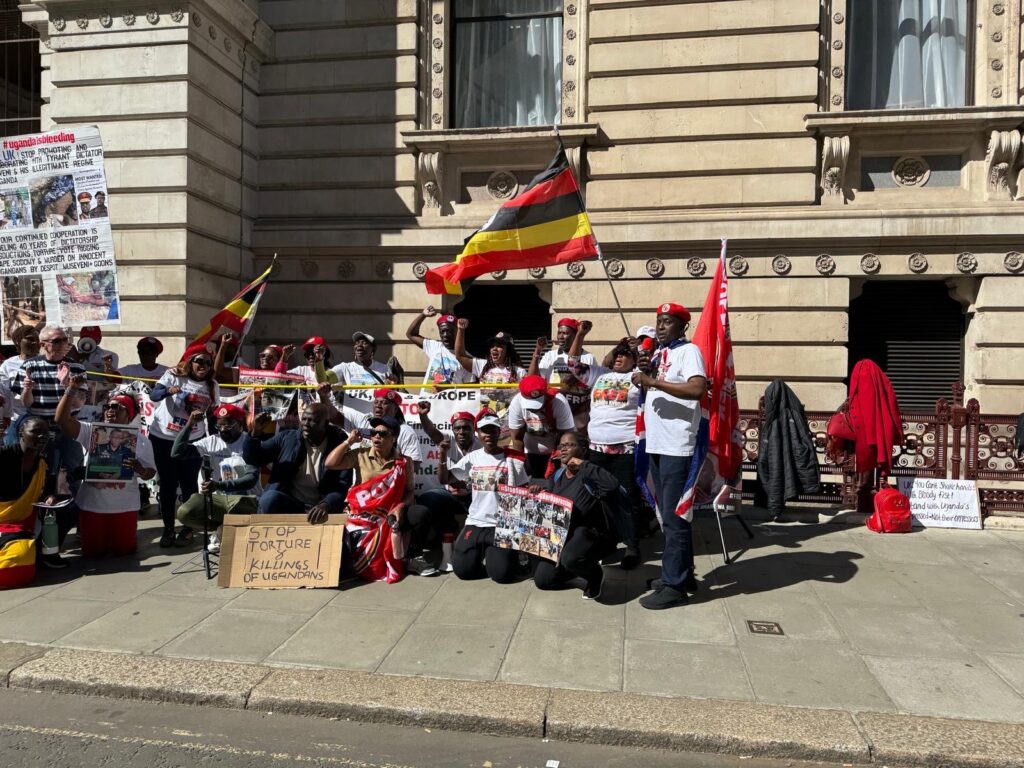
These protests are not mere acts of symbolism. They are expressions of deep-rooted frustration, sorrow, and outrage. They are a direct response to decades of betrayal, impunity, and bloodshed. These brave men and women many of whom were forced into exile due to political persecution have vowed to remain the voice of the voiceless back home. Their unwavering activism speaks not only to the resilience of the Ugandan spirit but also to the urgent need for global accountability.
39 Years of Tyranny, Museveni’s Brutal Legacy
General Yoweri Museveni came to power in 1986, promising democracy, freedom, and a fundamental change in the governance of Uganda. Four decades later, the reality could not be more disheartening. What began as a supposed liberation movement soon devolved into a regime characterized by severe repression, widespread corruption, militarism, nepotism, and a horrifying disregard for basic human rights.
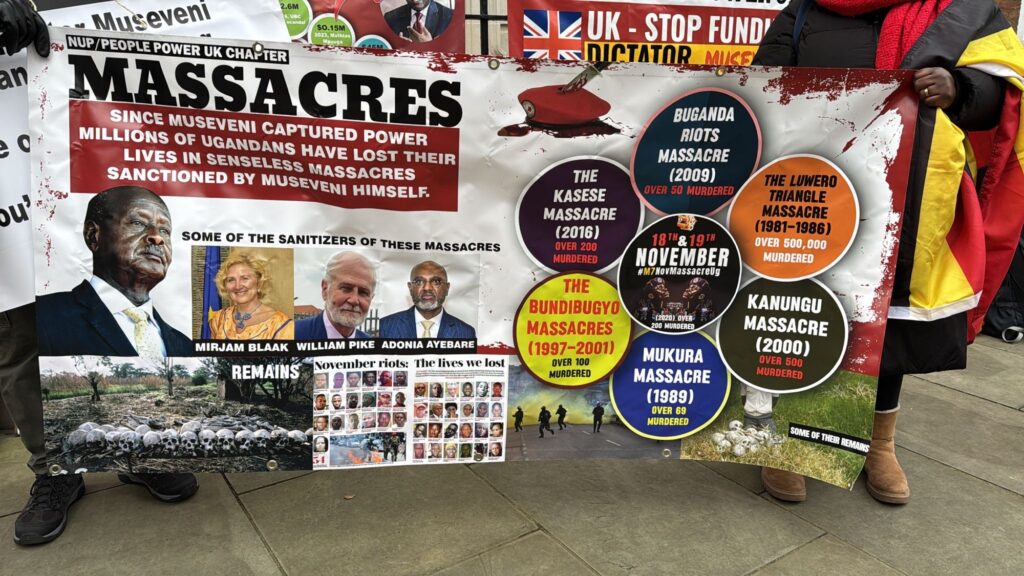
Museveni’s rule has been marked by the persecution of journalists, arbitrary arrests of opposition leaders, the assassination and abduction of political dissidents, and the militarization of civilian life. Security operatives and military personnel act with impunity, abducting youth, torturing civilians, and suppressing dissent all under the guise of maintaining national security.
What is even more disturbing is that all this is happening under the watchful eye of the international community, with funding, training, and arms supplied in large part by Western allies such as the United States and the United Kingdom.
Western Hypocrisy, Aiding Dictators While Preaching Democracy
The Uganda diaspora accuses Western powers of blatant hypocrisy, championing democratic values at home while enabling autocratic regimes abroad. Year after year, millions of dollars flow from Western coffers into Museveni’s government under the pretense of promoting development, security, and good governance. In reality, much of this aid is diverted to strengthen Museveni’s grip on power. It bankrolls the military, funds the police state, and reinforces the very institutions responsible for silencing Uganda’s pro-democracy movement.
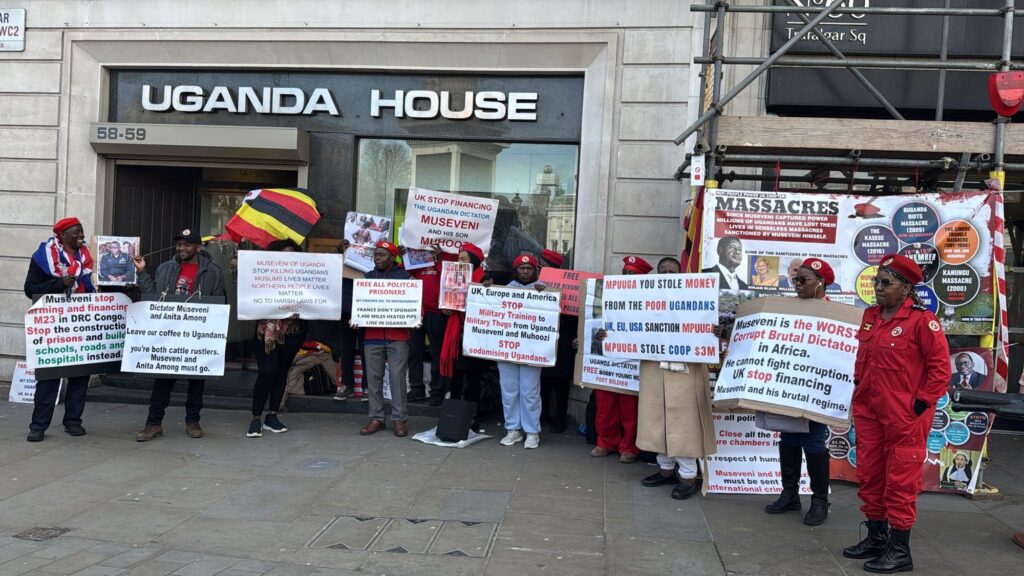
From the iron-fisted crackdowns on peaceful protests to the brutal imprisonment of political opponents such as the countless supporters of Hon. Robert Kyagulanyi Ssentamu, popularly known as Bobi Wine there is overwhelming evidence that Western funds are aiding repression rather than reform.
The Ugandan diaspora, therefore, poses an important question: How can the West claim to support democracy and human rights while simultaneously sponsoring a dictator who has turned Uganda into a blood-soaked prison for dissenters?
The Price of Silence, A Catalogue of Atrocities
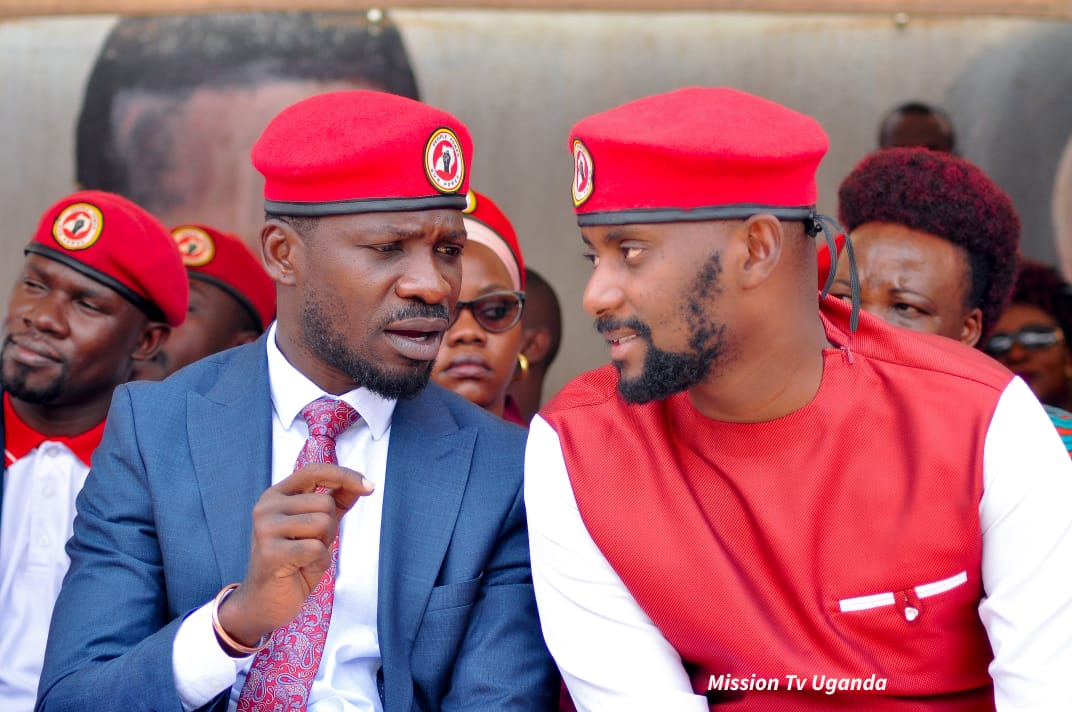
The diaspora protests are driven not by politics, but by pain. The pain of lost loved ones. The pain of young lives cut short. The pain of mothers crying for disappeared sons. Under Museveni’s regime, extrajudicial killings, disappearances, abductions, and torture have become routine. The government targets not criminals, but young Ugandans who dare to dream of a better future. Young people whose only crime is wearing red berets, chanting People Power, or aligning with the opposition National Unity Platform (NUP).
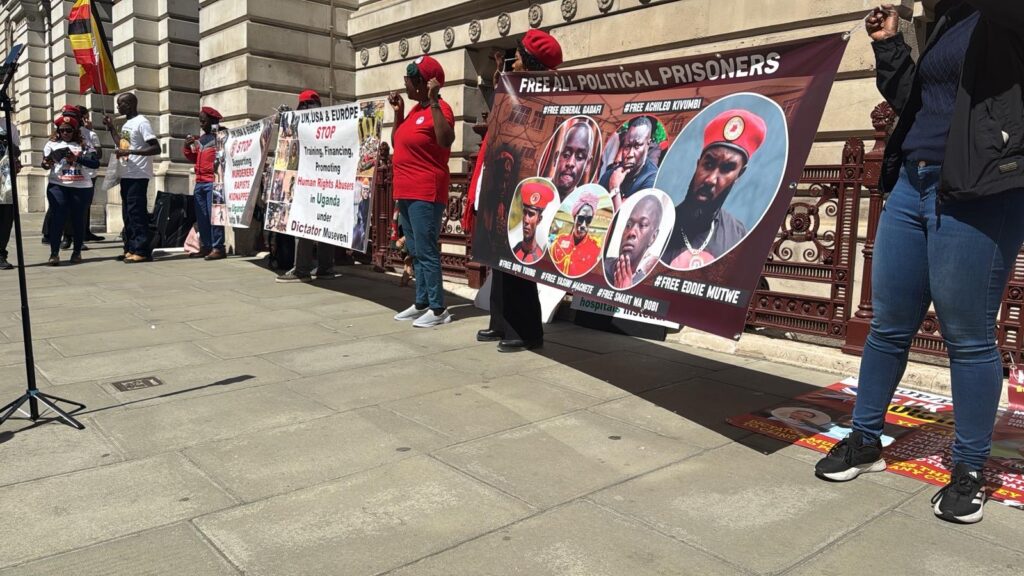
Families are torn apart as security forces abduct and detain activists incommunicado. Torture chambers infamously known as safe houses are used to crush the spirit of resistance. The judiciary, now an extension of the executive, offers no justice. The legislature has been reduced to a rubber stamp. Civil society is under siege.
It is this horrifying reality that propels Ugandans abroad into the streets. Their protests are a cry for the world to open its eyes to the genocide unfolding in slow motion.
Complicity by the West, When Aid Becomes a Weapon
What the diaspora is making clear through their activism is that Western funding is not neutral. It comes with consequences. Financial aid that goes into the hands of a tyrant becomes a weapon of oppression. The diaspora protesters argue that this aid is not only misappropriated but extended with either gross negligence or deliberate complicity. After all, how can nations with advanced diplomatic and intelligence machinery be unaware of what their money is funding?
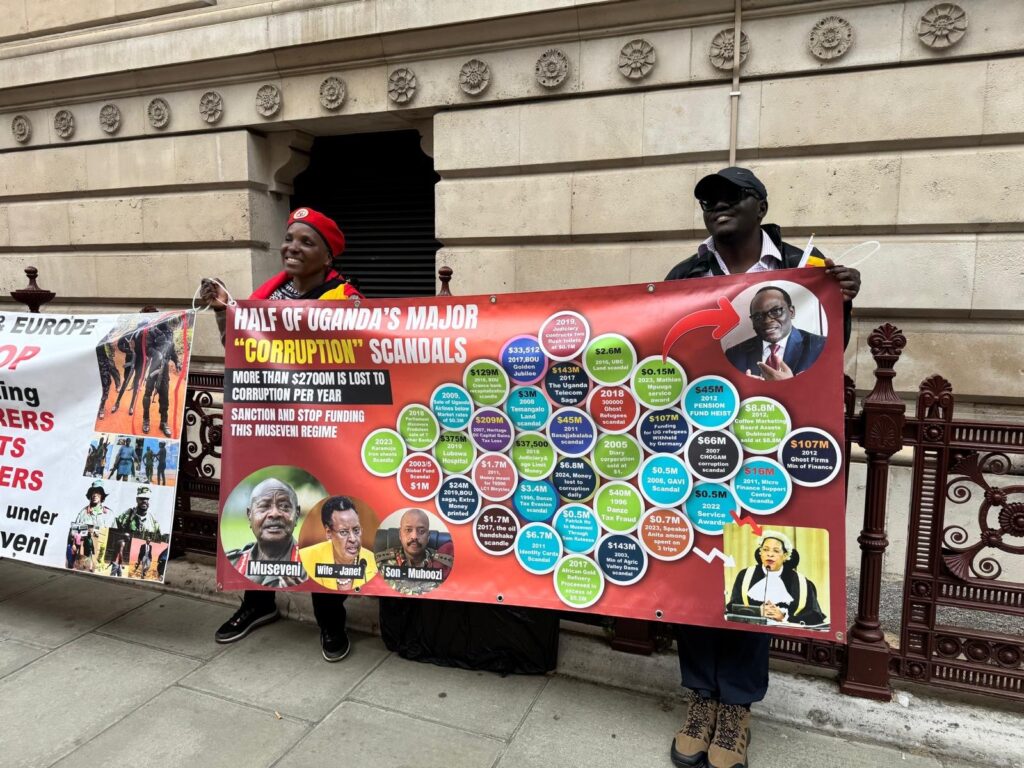
The Group of Seven (G7) nations, along with institutions such as the World Bank and IMF, must be held to account for the roles they play. The diaspora’s call is straightforward: Stop financing the suffering of Ugandans. Stop aiding Museveni’s dictatorship.
A Global Appeal: Redefining International Solidarity
These demonstrations by Ugandans in the diaspora are not merely internal affairs. They are part of a broader global appeal to redefine international solidarity. In an era where democracy promotion has become a buzzword, the Ugandan crisis forces a moral reckoning. The West must ask itself whether it truly believes in democracy for all or only for its own citizens.
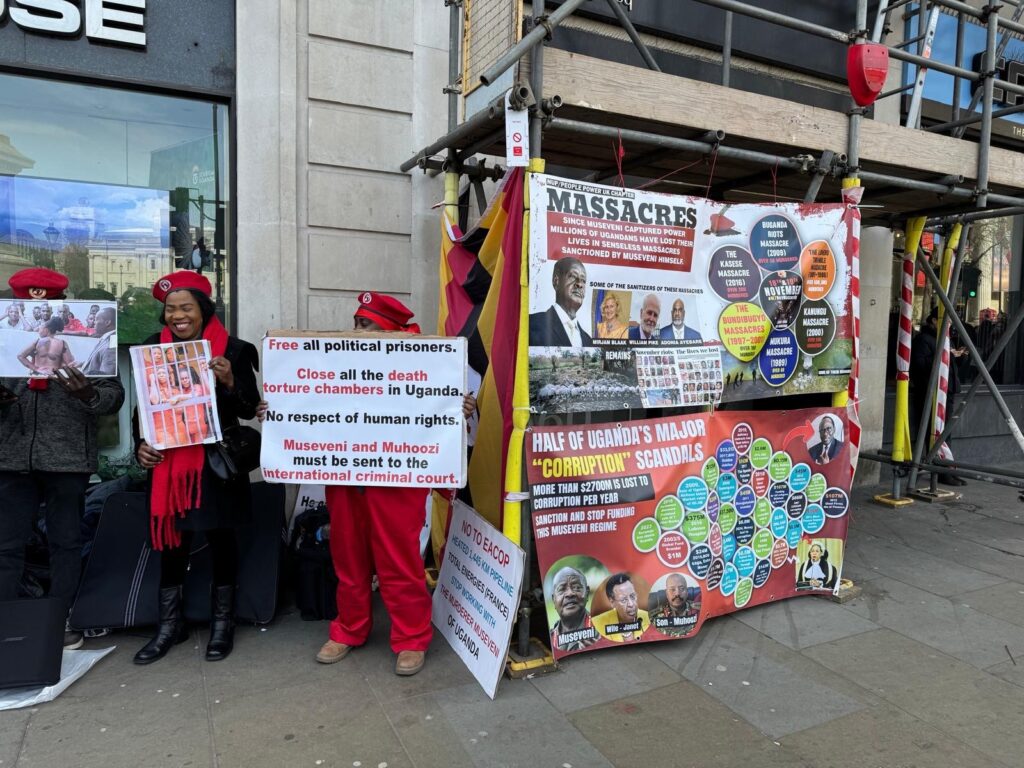
The diaspora calls upon Western citizens, human rights organizations, international media, and progressive governments to stand in solidarity with the Ugandan people. Not with empty words, but with action. With sanctions on individuals responsible for atrocities. With investigations into foreign aid misuse. With diplomatic pressure. With suspension of military cooperation. But most importantly to stop being the pay master of our oppressors
Voices from the Frontline: The Courage of the Diaspora
What makes this movement particularly remarkable is the personal cost paid by those involved. Many of the protesters were once victims themselves exiled journalists, tortured youth, threatened activists, and political asylum seekers. They have rebuilt their lives abroad but remain tethered to Uganda by an unbreakable thread of love, pain, and duty.
Their protests are not performative they are acts of resistance and remembrance. Every chant outside Uganda House is a tribute to a disappeared brother. Every placard is a call to bring back tortured sisters. Every march is an affirmation that Uganda will one day be free.
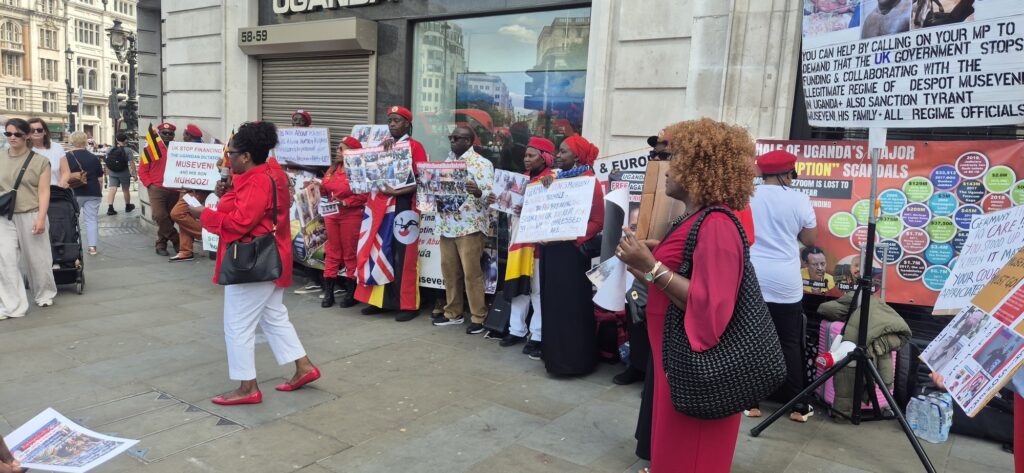
United Kingdom Leads the Charge
The United Kingdom has become a key battleground for this diaspora-led movement. Outside Uganda House in London, a defiant crowd gathers regularly to remind the world of Uganda’s suffering. With drums, megaphones, Ugandan flags, and revolutionary songs, these patriots have turned the streets into a courtroom, the placards into affidavits, and the slogans into testimonies.
They have refused to be silent. They have refused to let the memory of the dead fade. They have refused to let the world normalize dictatorship. For this, they deserve not just applause but our deepest respect.
The Final Message: It’s Time to Choose
To the Western powers: the time has come to choose. Will you stand with the people of Uganda, or will you continue funding their oppressor? Will you support democracy in practice or only in theory? Will you champion human rights universally or selectively?
The diaspora has spoken with clarity, conviction, and courage. Now it is time for the international community to listen and to act.
To all our comrades in the United Kingdom and around the world who continue to raise their voices against tyranny your fight is just, your efforts are noble, and your courage is the torch lighting the way to a free Uganda.
Mwebale nnyo. We shall overcome.
Jbmuwonge, Social Activist.

More Than Politics: Understanding Bobi Wine’s Powerful Statement on Identity and Leadership

Abducted Wife of Bobiwine’s Personal Assistant dumped at Police, Immediately remanded to Prison.

🚨Uganda’s Protection of Sovereignty Bill would Jail Bobi Wine for 20 years.

Bobi Wine’s Washington Engagement: Institutional Significance and Policy Implications
Double Standards and Silent Complicity: Why Africa’s Dictators Still Thrive in a World That Claims to Defend Democracy
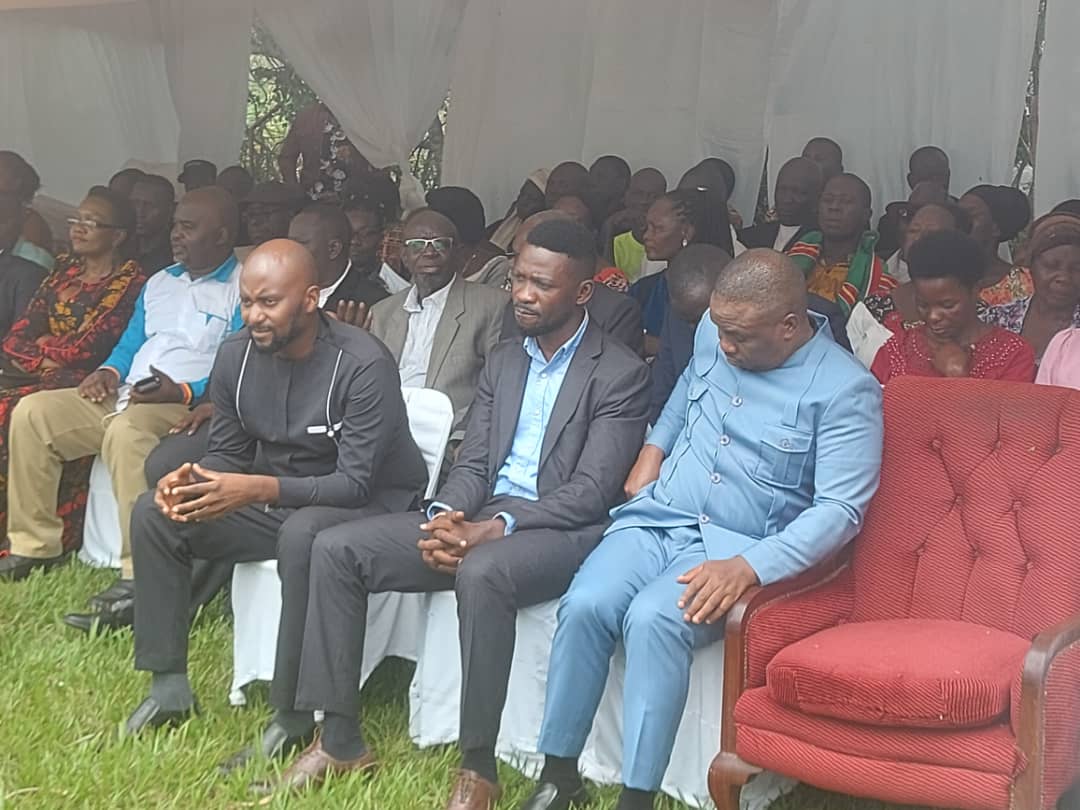
President Bobi attends burial of wife to ex LOP Oguttu
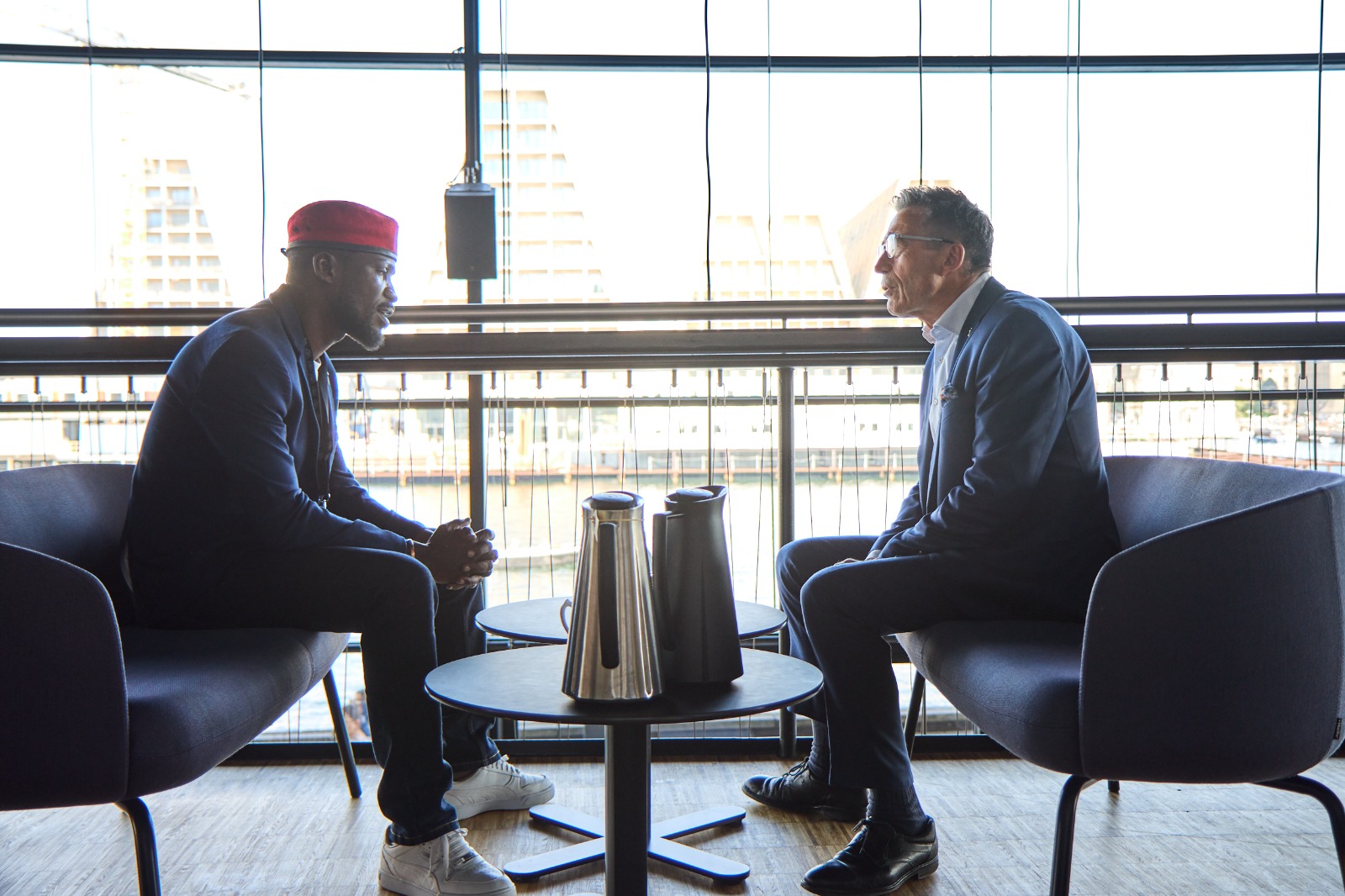
Bobi meets ex NATO boss, discuss key issues
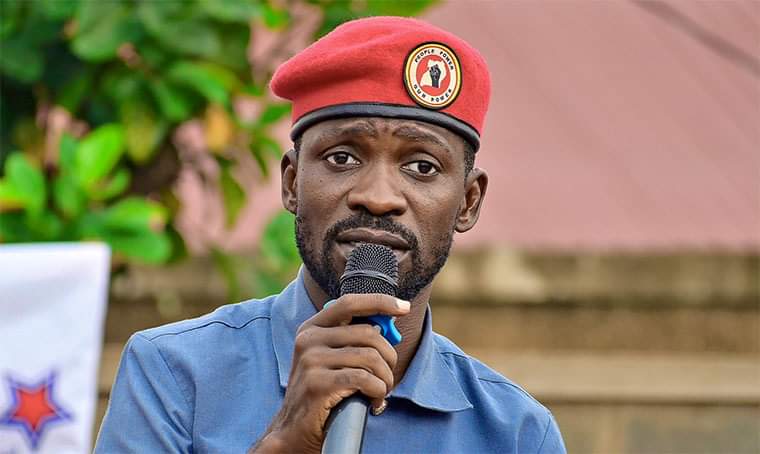
EXCLUSIVE: A recap of Bobi Wine interview with BBS
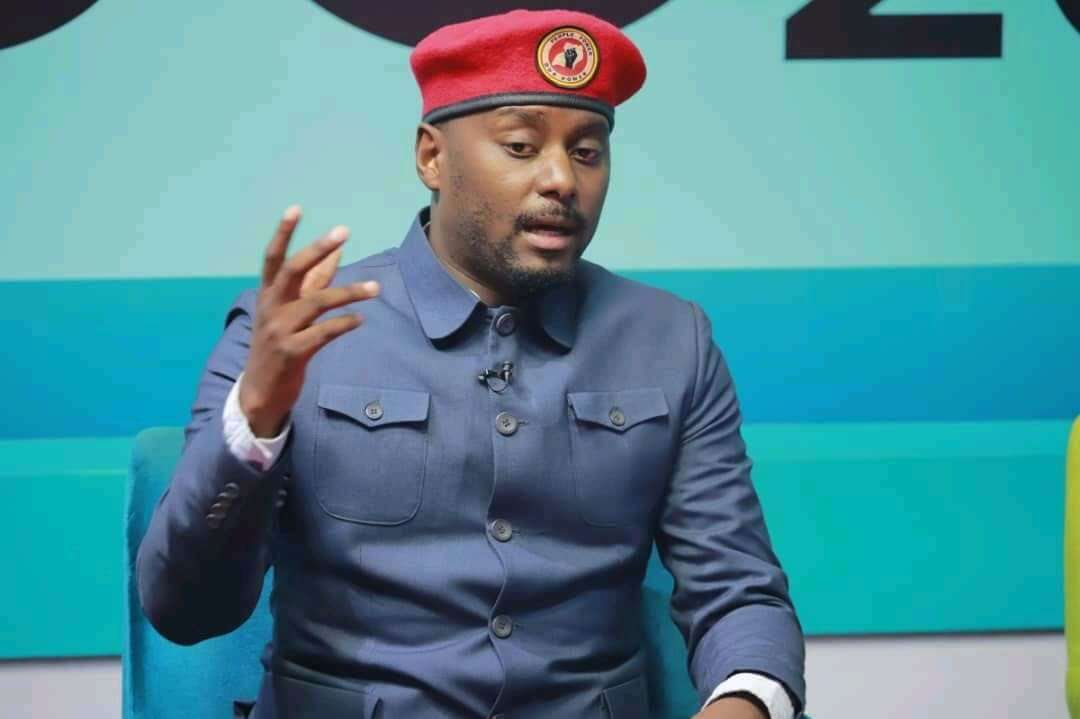
This is why dictator M7 throws “Small victories” to the opposition
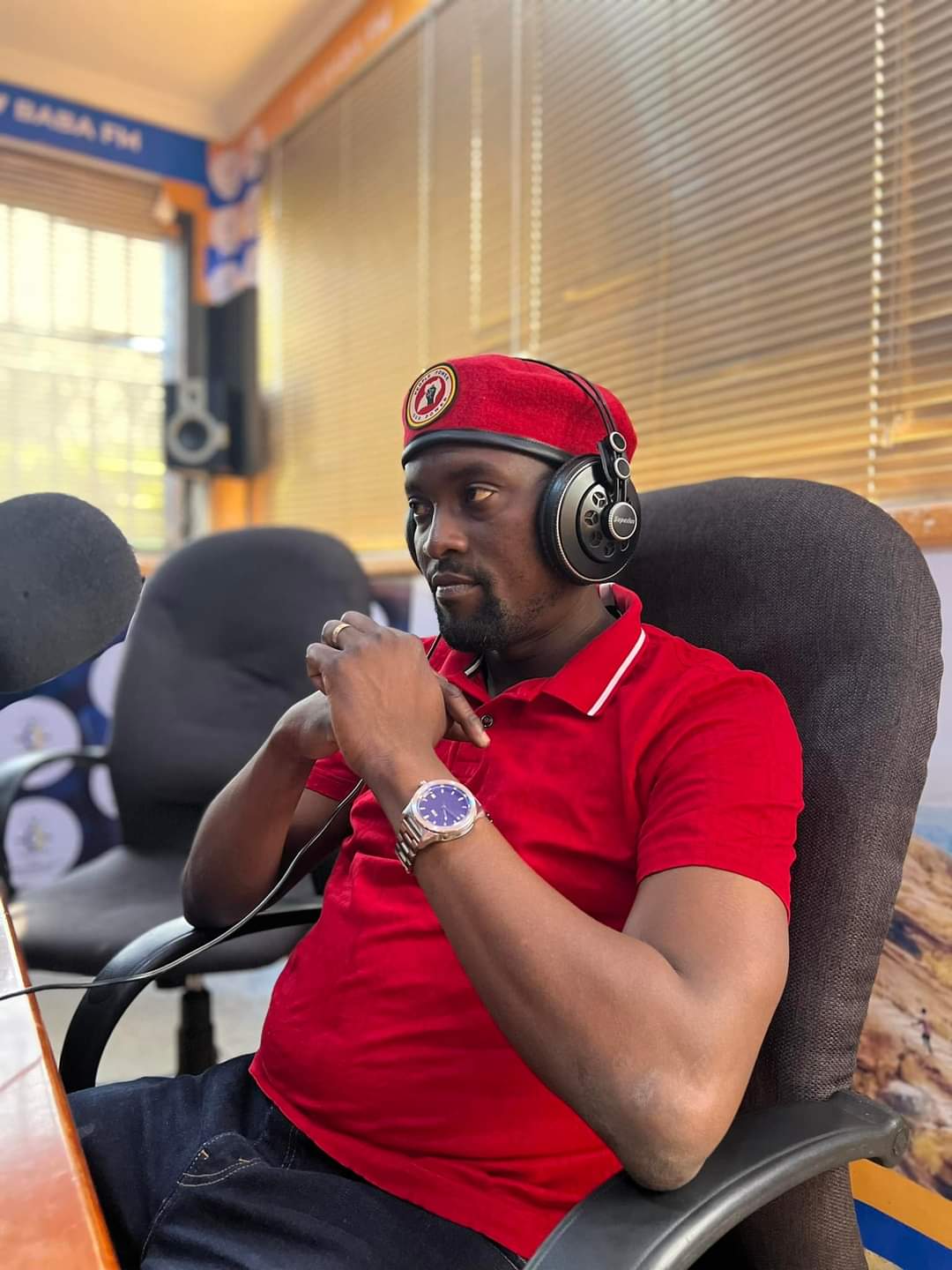
NUP Deputy Spokesperson Waiswa celebrates birthday in style
-
News3 years ago
President Bobi attends burial of wife to ex LOP Oguttu
-
News3 years ago
Bobi meets ex NATO boss, discuss key issues
-
News3 years ago
EXCLUSIVE: A recap of Bobi Wine interview with BBS
-
Uganda4 years ago
This is why dictator M7 throws “Small victories” to the opposition
-
Exclusive4 years ago
NUP Deputy Spokesperson Waiswa celebrates birthday in style
-
 Exclusive3 years ago
Bobi Wine The People’s President Full Documentary