
Uganda
SEE HOW BRUTAL UGANDA’S DICTATOR MUSEVENI IS – THIS IS JUST A SNIPPET

Exclusive
When Elections Are Stolen and Voices Are Silenced: What Citizens Must Do to Reclaim Their Country

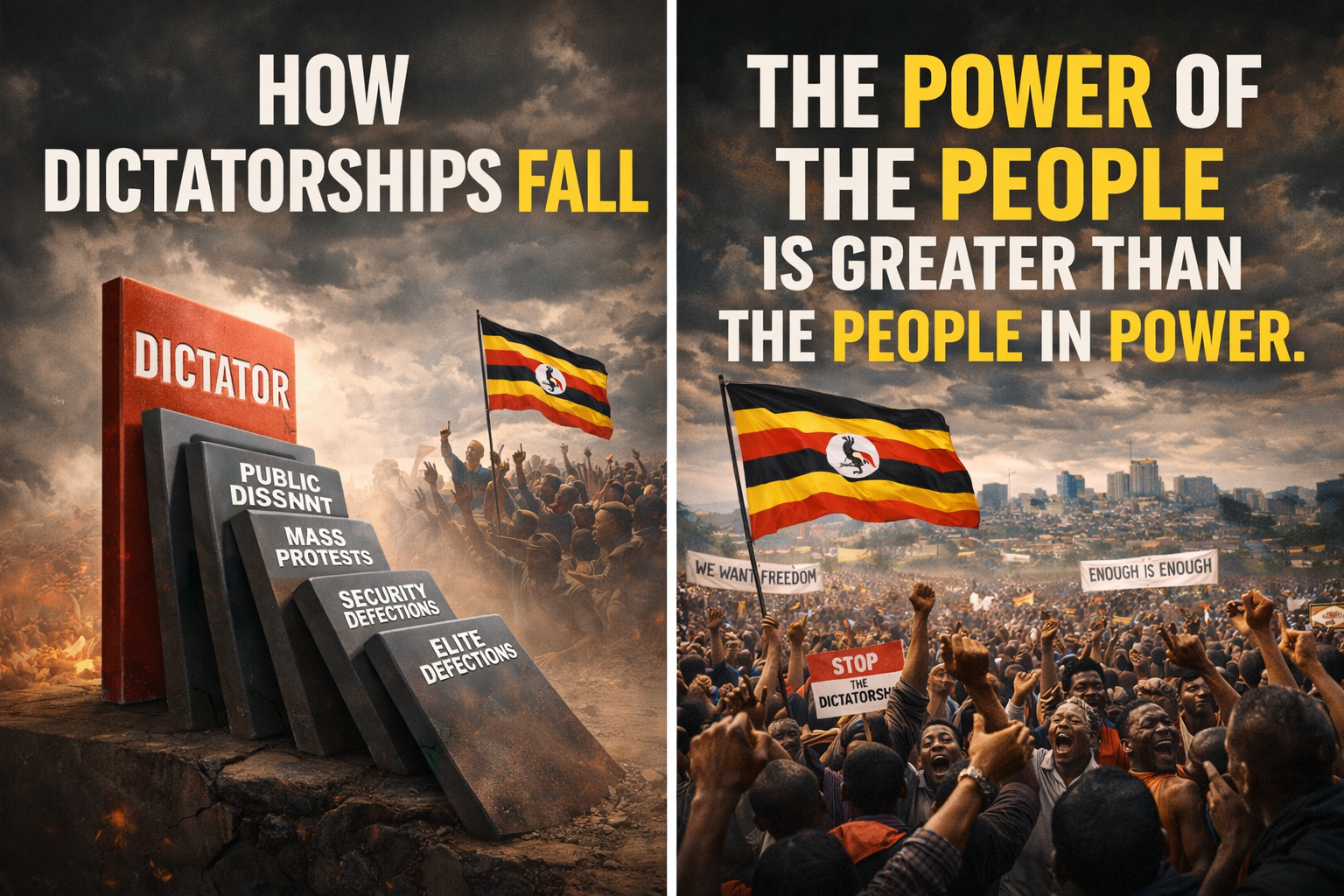
Across history, there comes a moment in every nation when citizens must confront a difficult truth: the systems meant to protect democracy have been captured. Elections no longer represent the will of the people. Courts become instruments of power. Security forces are deployed not to defend the nation but to intimidate the nation’s own citizens.
In such circumstances, people begin to ask a profound question:
What can citizens do when democratic channels are blocked?
This question is not unique to Uganda. Nations across the world have faced similar moments. In the Philippines, millions rose peacefully during the People Power Revolution and forced the removal of Ferdinand Marcos. In Sudan, sustained civic resistance during the Sudanese Revolution brought down Omar al-Bashir after three decades in power. In Eastern Europe, millions withdrew cooperation from communist regimes, triggering the collapse of governments once believed to be permanent.
These examples reveal a powerful lesson: dictatorships survive only as long as society continues to cooperate with them.
When that cooperation begins to collapse, even the most entrenched regimes start to weaken.
This article is not a call for violence. History shows that violent revolutions often lead to devastating consequences and prolonged instability. Instead, this is a strategic reflection on how citizens organize, mobilize, and reclaim their countries through collective civic power.
For Ugandans who seek change, the struggle requires clarity, unity, patience, and courage.
Understanding the Reality of Authoritarian Power
Before discussing what citizens must do, it is important to understand a fundamental truth about authoritarian systems.
A dictatorship is not sustained by one individual alone. It is supported by a network of institutions and actors, including:
security forces government officials business elites state media civil servants political loyalists
If these pillars continue to function normally, the system remains stable.
But if enough people withdraw cooperation from these pillars, the system begins to crack.
Political scholar Gene Sharp studied hundreds of movements worldwide and concluded that the most successful struggles against authoritarian rule rely on organized non-violent resistance and mass civic participation.
The key is not isolated protest.
The key is strategic, nationwide civic action.
What Ugandans Must Understand About Power
Power does not only exist in State House, parliament, or military barracks.
Power exists in:
the markets the streets universities workplaces churches and mosques taxi parks villages and towns
A government ultimately depends on the cooperation of its citizens to function.
When citizens become organized and coordinated, they possess a form of power that even heavily armed regimes struggle to control.
What Citizens Must Begin to Do
1. Build Unity Across All Divisions
One of the greatest strengths of authoritarian regimes is division among the people.
Citizens are divided by:
ethnicity religion region political parties class
As long as people remain divided, resistance remains weak.
But when citizens begin to see themselves first as Ugandans with a shared destiny, the dynamic changes completely.
Successful civic movements always create broad coalitions that include:
youth movements workers and labor unions students religious leaders professionals artists and cultural voices rural communities
The moment a movement becomes national rather than partisan, its power multiplies.
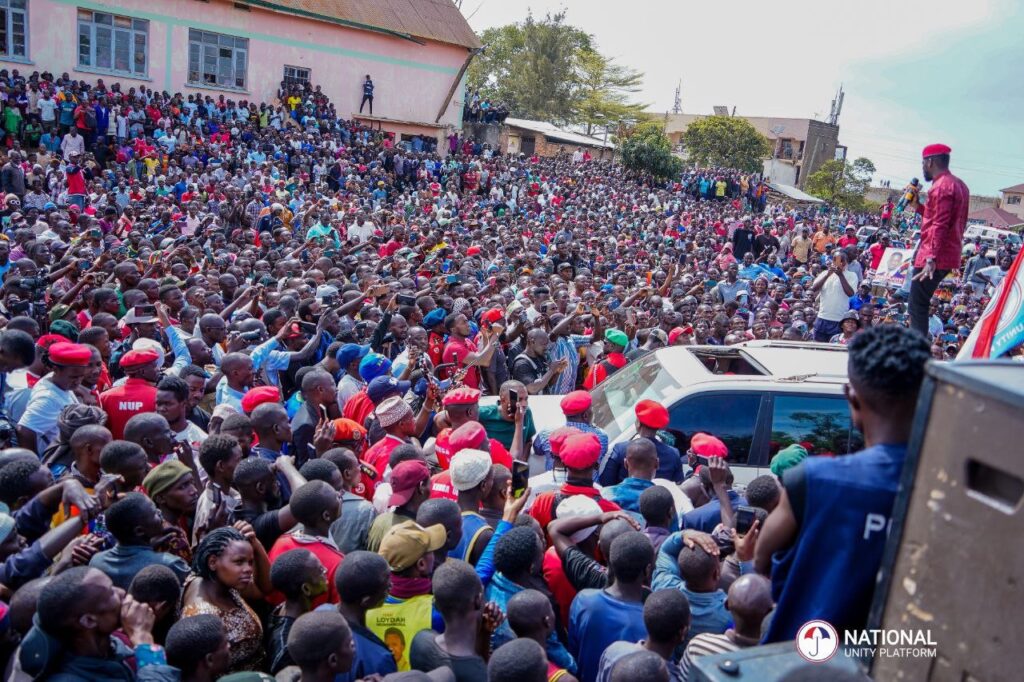
2. Withdraw Cooperation From Oppression
Authoritarian systems rely on the routine cooperation of ordinary people.
Citizens unknowingly sustain oppressive systems through daily participation.
History shows that withdrawing cooperation can be one of the most powerful tools available to citizens.
This can take many forms:
peaceful strikes by workers refusal to participate in corrupt systems boycotts of regime-connected businesses collective civic actions that demonstrate public dissatisfaction
When such actions spread widely across society, governments face enormous pressure.
The economic and administrative machinery of the state begins to slow.
3. Control the Narrative
Dictatorships depend heavily on controlling information.
State propaganda attempts to shape how citizens perceive reality.
Independent voices are often silenced or intimidated.
But modern citizens possess tools that previous generations did not.
Information can spread through:
independent journalism diaspora media networks social platforms citizen documentation of abuses international advocacy
When the truth about repression becomes widely known—both domestically and internationally—it undermines the regime’s legitimacy.
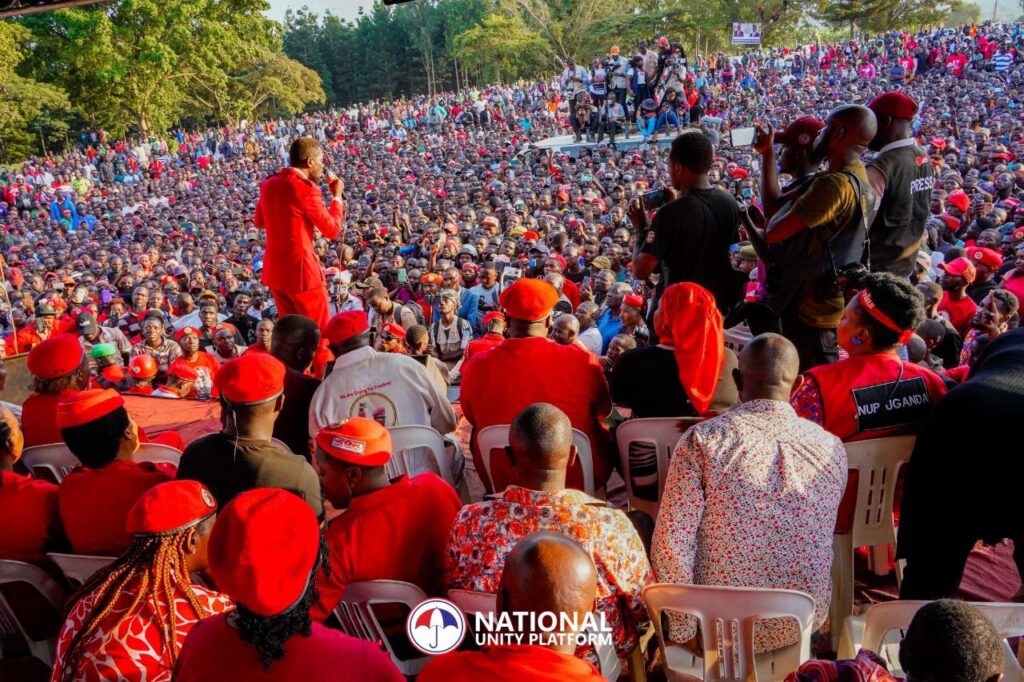
4. Organize, Not Just Protest
Spontaneous protests can express anger, but lasting change requires organization.
Citizens must build structured networks capable of sustained action.
These networks may include:
civic organizations youth movements professional associations community leadership groups grassroots mobilization teams
Organization transforms frustration into strategic pressure.
Without organization, movements quickly lose momentum.
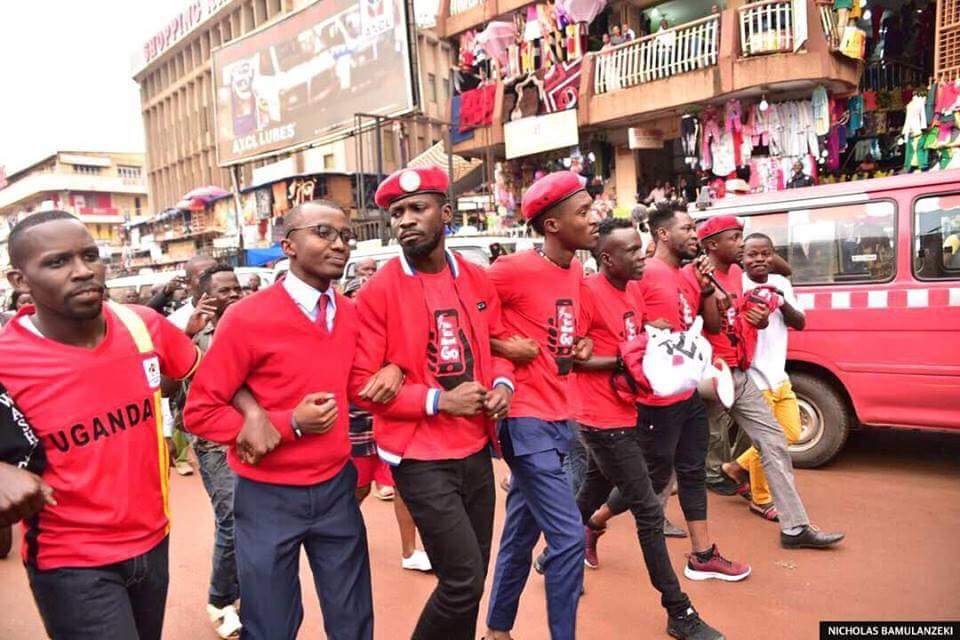
5. Build Parallel Civic Structures
When official institutions no longer represent the people, societies often begin creating alternative civic structures.
These may include:
independent community organizations grassroots leadership councils civic education networks volunteer community services
Such structures strengthen civil society and gradually reduce dependence on state-controlled institutions.
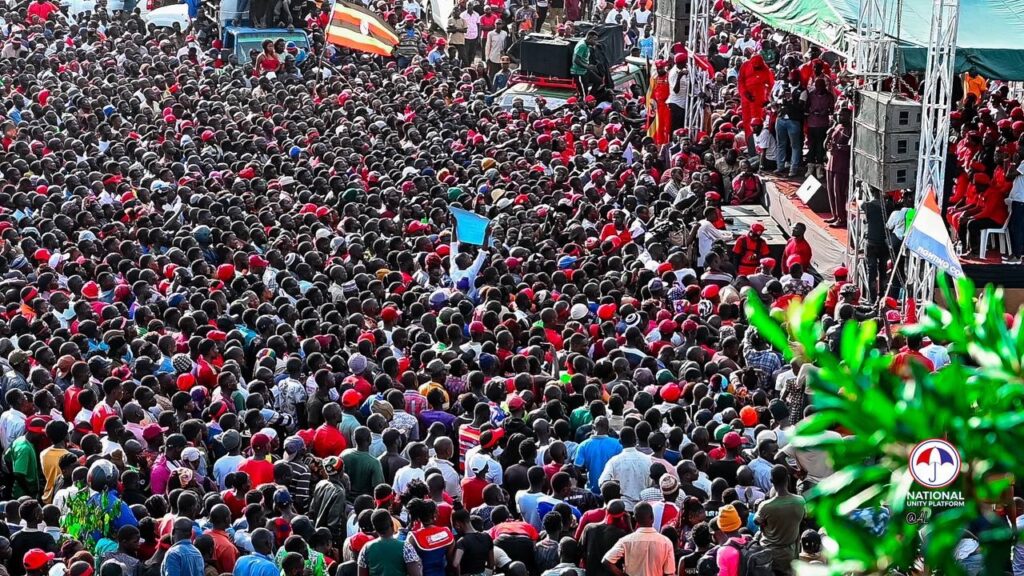
6. Encourage Courage Within Institutions
Many people within government institutions quietly disagree with authoritarian leadership but feel isolated or fearful.
History shows that change often accelerates when individuals inside institutions begin to question orders or withdraw loyalty.
This does not happen overnight.
But when citizens demonstrate unity and determination, it can inspire cracks within the ruling system.
7. Maintain Strategic Discipline
One of the most common mistakes resistance movements make is allowing anger to turn into uncontrolled confrontation.
Authoritarian regimes often provoke violence intentionally because it allows them to justify brutal crackdowns.
Disciplined movements focus on:
maintaining non-violent methods protecting civilians preserving moral legitimacy
This approach strengthens public support both domestically and internationally.
8. Learn From Other Nations
Africa itself offers powerful examples of citizen movements.
In Burkina Faso, a popular uprising in 2014 forced the resignation of Blaise Compaoré after nearly three decades in power.
In Sudan, civic groups, professionals, and youth organizations sustained protests that eventually removed Omar al-Bashir.
In the Philippines, millions of citizens peacefully occupied streets during the People Power Revolution, leading to the fall of Ferdinand Marcos.
These movements succeeded because citizens became organized, united, and persistent.
The Long Road to Change
It is important for citizens to understand that the struggle for democratic change is rarely quick.
Many successful movements took years—sometimes decades.
There will be setbacks.
There will be moments of fear.
There will be attempts to divide the people.
But history consistently shows that no regime can permanently govern against the will of a united population.
The real question is not whether change is possible.
The real question is whether citizens are prepared to organize patiently and strategically to achieve it.
The Responsibility of Every Ugandan
The future of any nation is ultimately shaped not only by its leaders but by the courage and determination of its citizens.
Every generation reaches a point where it must decide:
Will we accept the situation as permanent?
Or will we work collectively to build the country we want?
The path toward democratic transformation requires:
unity discipline organization courage persistence
When citizens recognize their collective strength and act together, history has shown that even the most entrenched systems of power can change.
The story of Uganda’s future will not be written by one individual.
It will be written by millions of citizens who decide that their nation deserves better.
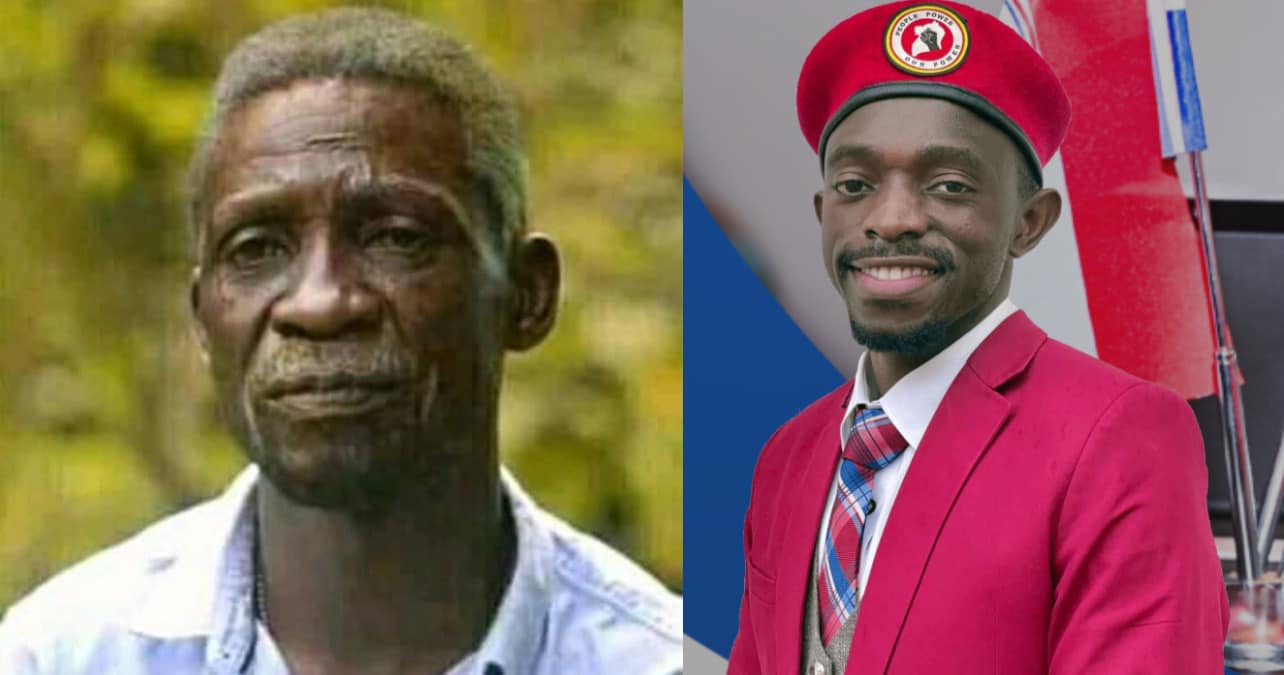
Reminder;
Believe it or not, by year 3020, “BOBI WINE AND PEOPLE POWER” will be a defining topic in African books of history.
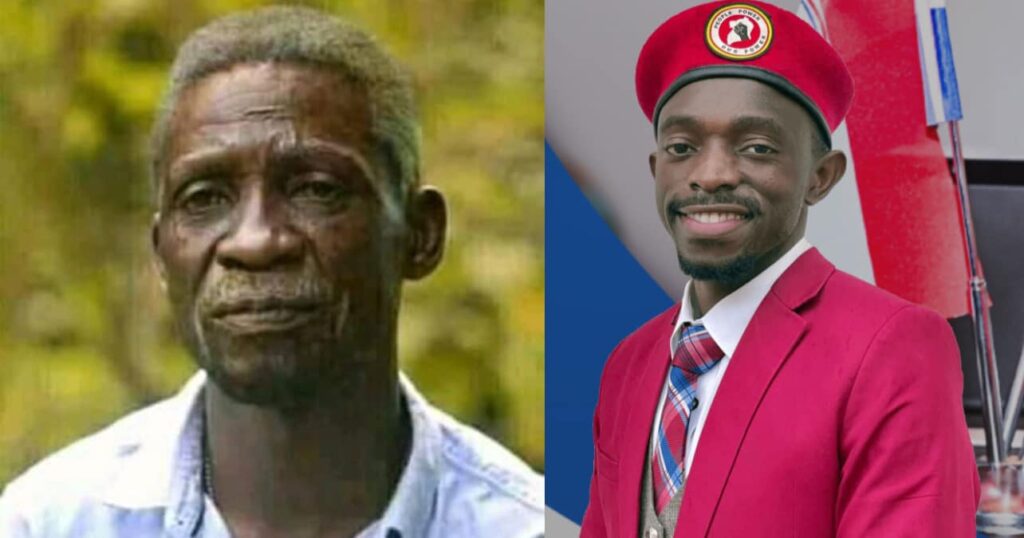
Our sons and daughters will have the privilege of reading about this brilliant, fearless, and patriotic young leader who flipped the script, sacrificed his celebrity lifestyle and took it upon himself to free Uganda from a long Serving dictator, M7 who had misruled Uganda for 40 years.
It will be both an inspiring and heartbreaking sad tale for our grand sons and daughters as they will be subjected to scripts that will feature the high Corruption rate , the Impunity, Unemployment,
nepotism, Military rule, land grabbing, endless Murders of innocent Ugandans, and so much more that existed before Bobi Wine’s leadership.
But as they read between the lines, they will shed tears of joy knowing that Robert Kyagulanyi Ssentamu, aka Bobi Wine, and the entire People Power movement eventually triumphed, transformed Uganda, set strong democratic precedents, and paved the way that leaders after them followed to steer the nation in the right direction, the nation our grand sons and daughters will be enjoying by that time.
By then, the People Power revolution will have swept and dismantled dictatorships across Africa, as African nations that were subjects of dictatorship gained confidence after seeing it done in Uganda. By this time, Uganda is now a developed country, the pearl of Africa again – in its true meaning, in all aspects of life social economic and political, Everything went back to normal, you cant believe we have ever had a dictator called Museveni. The days of dictatorship will feel like a distant, unimaginable past.
Statues of Bobi Wine, clad in full People Power combat gear and the iconic beret, stand tall in major cities. People come take photos, shoot films, and document history—without fear of teargas or repression. A free and democratic Uganda finally a reality.
Bwetukomawo, today is February 3, 2025.
The weight of this change rests on our shoulders, and the truth is no one is going to do it for us. If we want a free Uganda, we must rise as a generation, stand together, and take action.
This fight demands more than just hope, it requires courage, trust, discipline, and an unshakable resolve. The forces of oppression will test us as they have done countless tyms but we must stand firm, knowing that every sacrifice, every effort, brings us closer to victory.
And make no mistake, at the end of it all, we shall win. Uganda will be free, and history will remember this generation as the one that refused to kneel before tyranny.
The time is now. The struggle continues. Together, we shall overcome.
I remain,#JBMuwonge #PeoplePowerOurPower

Exclusive
Justin: Rt. Hon. Mathias Mpuuga asked to Resign After Admitting Taking Irregular Service Award 500 Million

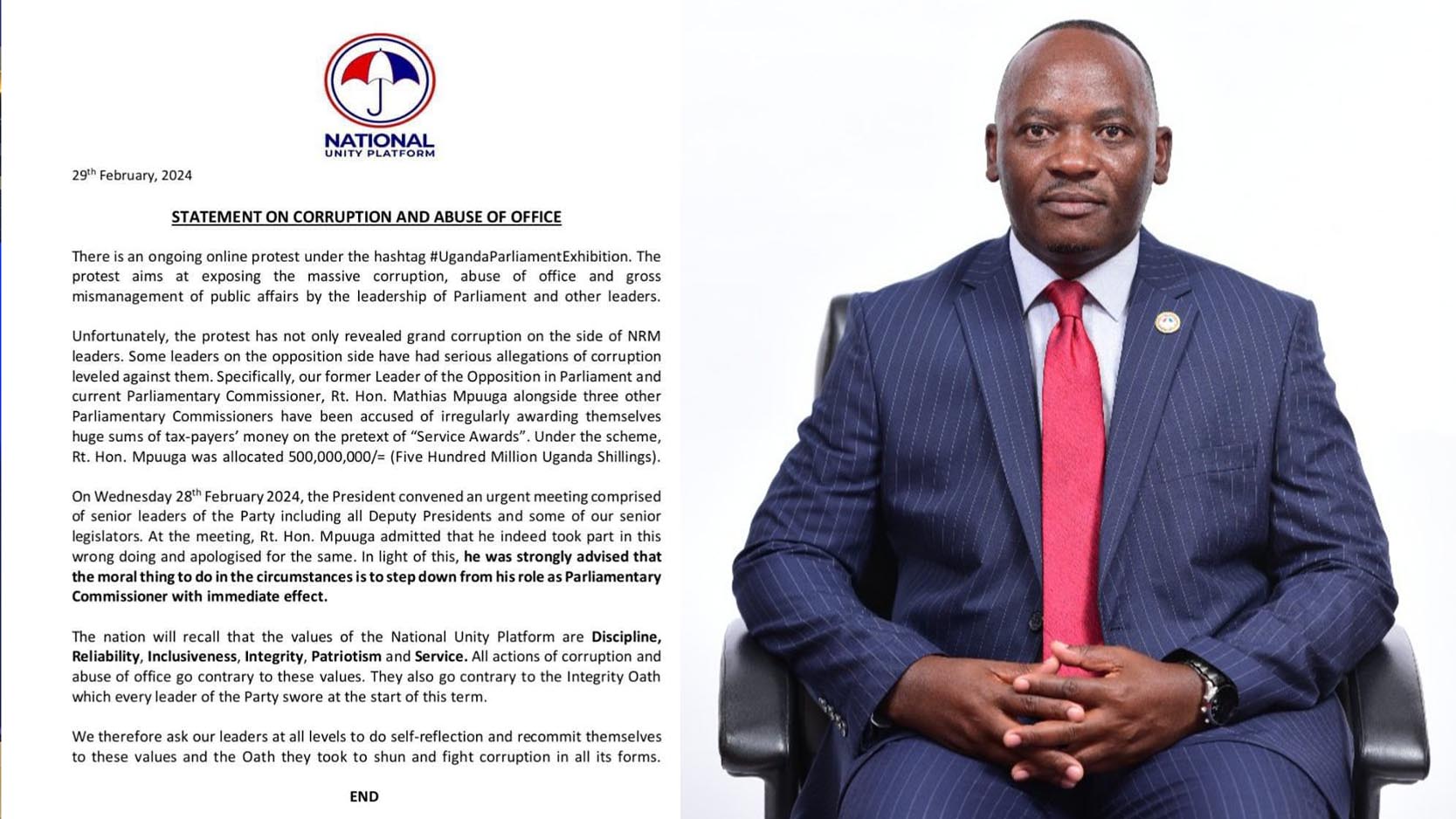
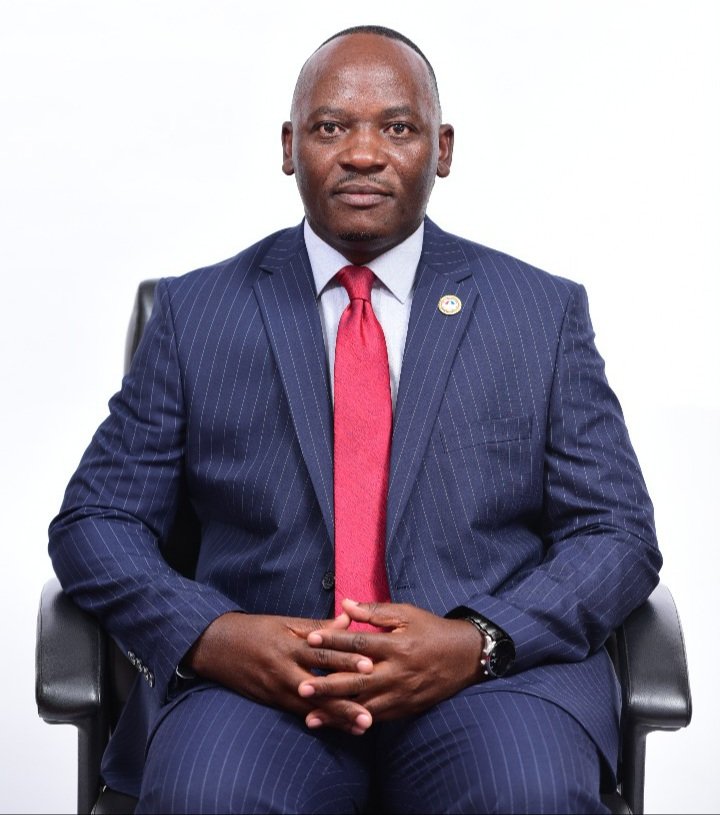
Former Leader of Opposition in Parliament Mathias Mpuuga asked to Resign by the NUP party to resign from the position of Commissioner of Parliament after admitting to having taken part in an irregular service award amounting to UGX 500 million.
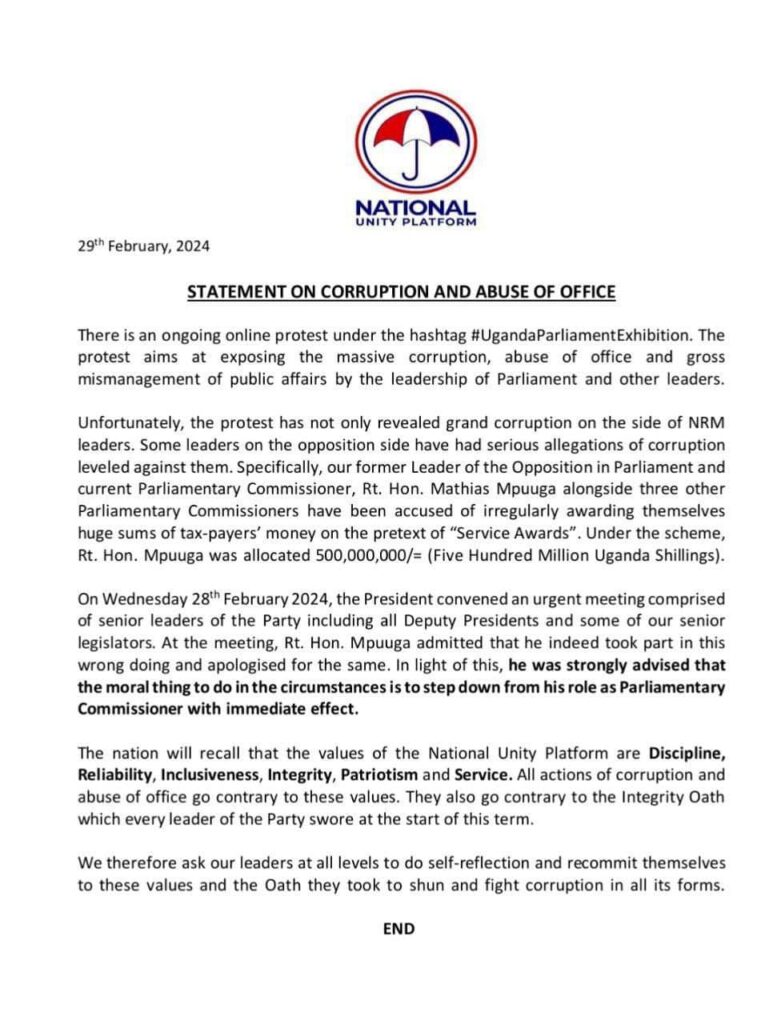
There is an ongoing online protest under the hashtag #UgandaParliamentExhibition. The protest aims at exposing the massive corruption, abuse of office and gross mismanagement of public affairs by the leadership of Parliament and other leaders.
Unfortunately, the protest has not only revealed grand corruption on the side of NRM leaders. Some leaders on the opposition side have had serious allegations of corruption leveled against them. Specifically, our former Leader of the Opposition in Parliament and current Parliamentary Commissioner, Rt. Hon. Mathias Mpuuga alongside three other Parliamentary Commissioners have been accused of irregularly awarding themselves huge sums of tax-payers’ money on the pretext of “Service Awards”. Under the scheme, Rt. Hon. Mpuuga was allocated 500,000,000/= (Five Hundred Million Uganda Shillings).
On Wednesday 28th February 2024, the President convened an urgent meeting comprised of senior leaders of the Party including all Deputy Presidents and some of our senior legislators. At the meeting, Rt. Hon. Mpuuga admitted that he indeed took part in this wrong doing and apologised for the same. In light of this, he was strongly advised that the moral thing to do in the circumstances is to step down from his role as Parliamentary Commissioner with immediate effect.
The nation will recall that the values of the National Unity Platform are Discipline, Reliability, Inclusiveness, Integrity, Patriotism and Service. All actions of corruption and abuse of office go contrary to these values. They also go contrary to the Integrity Oath which every leader of the Party swore at the start of this term.
We therefore ask our leaders at all levels to do self-reflection and recommit themselves to these values and the Oath they took to shun and fight corruption in all its forms.

More Than Politics: Understanding Bobi Wine’s Powerful Statement on Identity and Leadership

Abducted Wife of Bobiwine’s Personal Assistant dumped at Police, Immediately remanded to Prison.

🚨Uganda’s Protection of Sovereignty Bill would Jail Bobi Wine for 20 years.

Bobi Wine’s Washington Engagement: Institutional Significance and Policy Implications
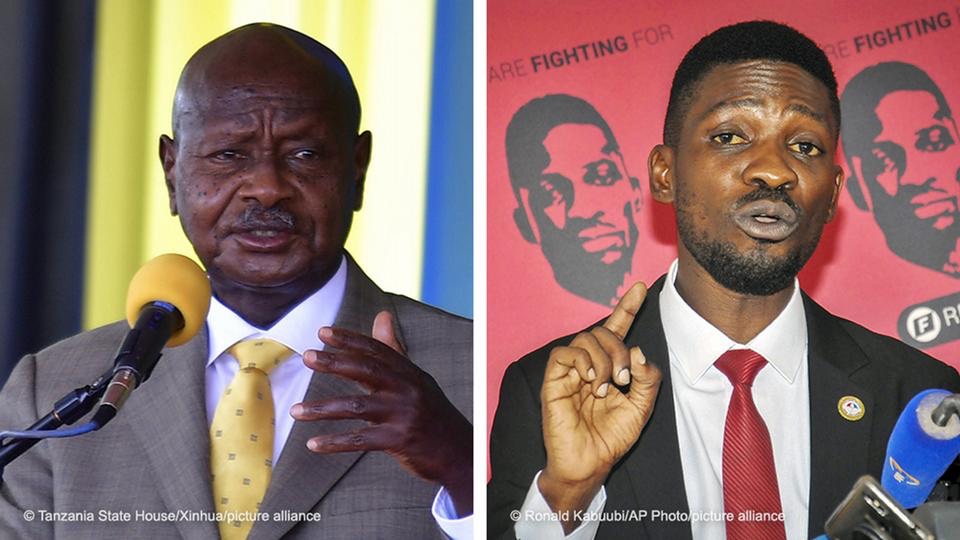
Double Standards and Silent Complicity: Why Africa’s Dictators Still Thrive in a World That Claims to Defend Democracy
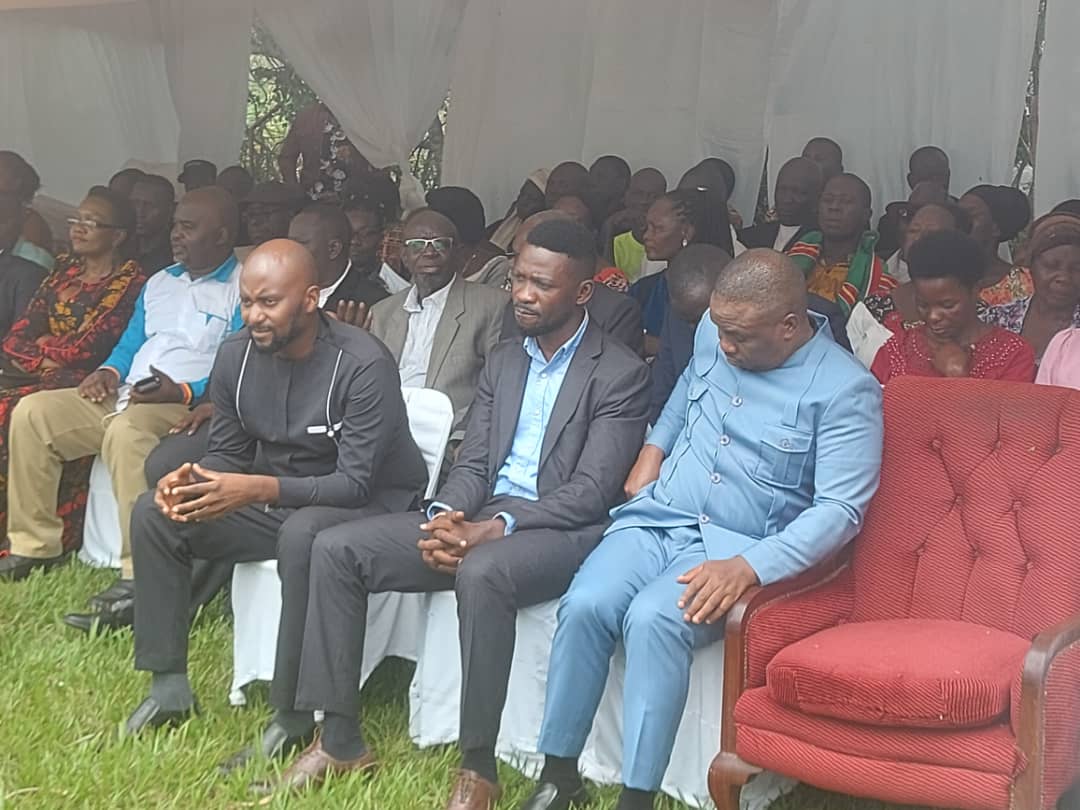
President Bobi attends burial of wife to ex LOP Oguttu
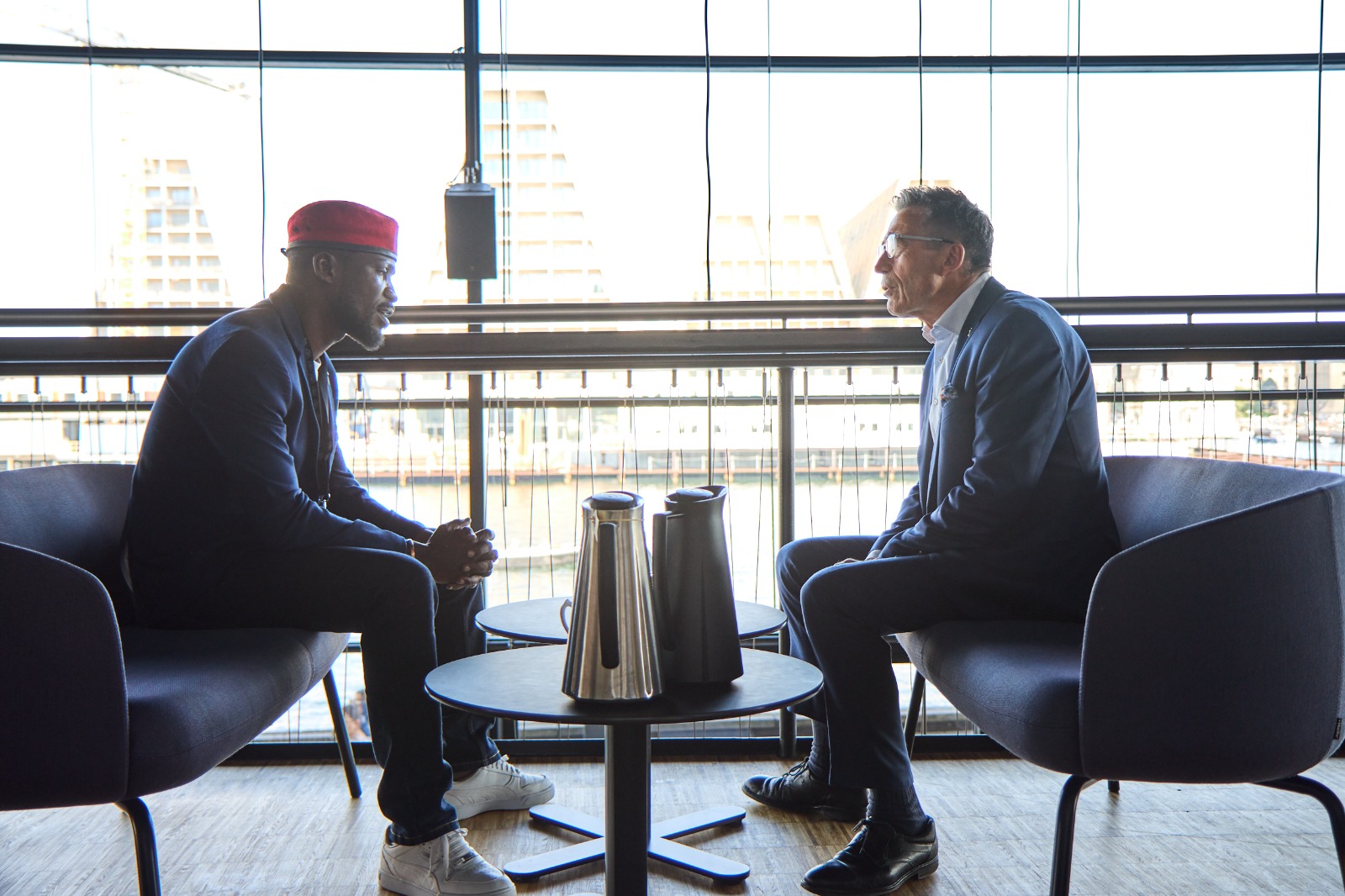
Bobi meets ex NATO boss, discuss key issues
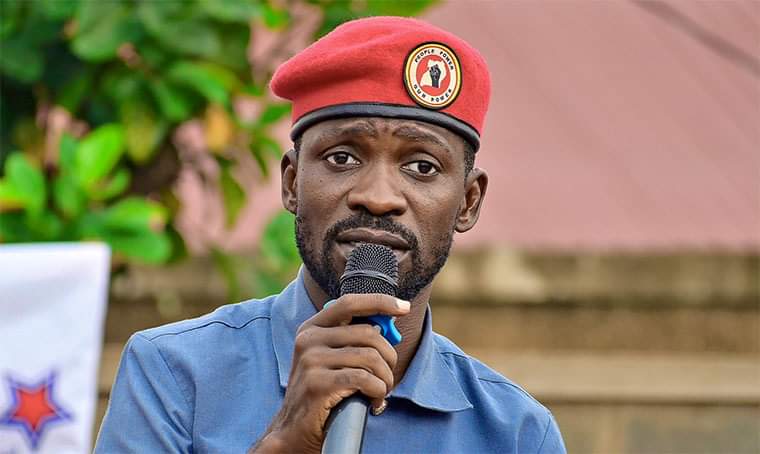
EXCLUSIVE: A recap of Bobi Wine interview with BBS
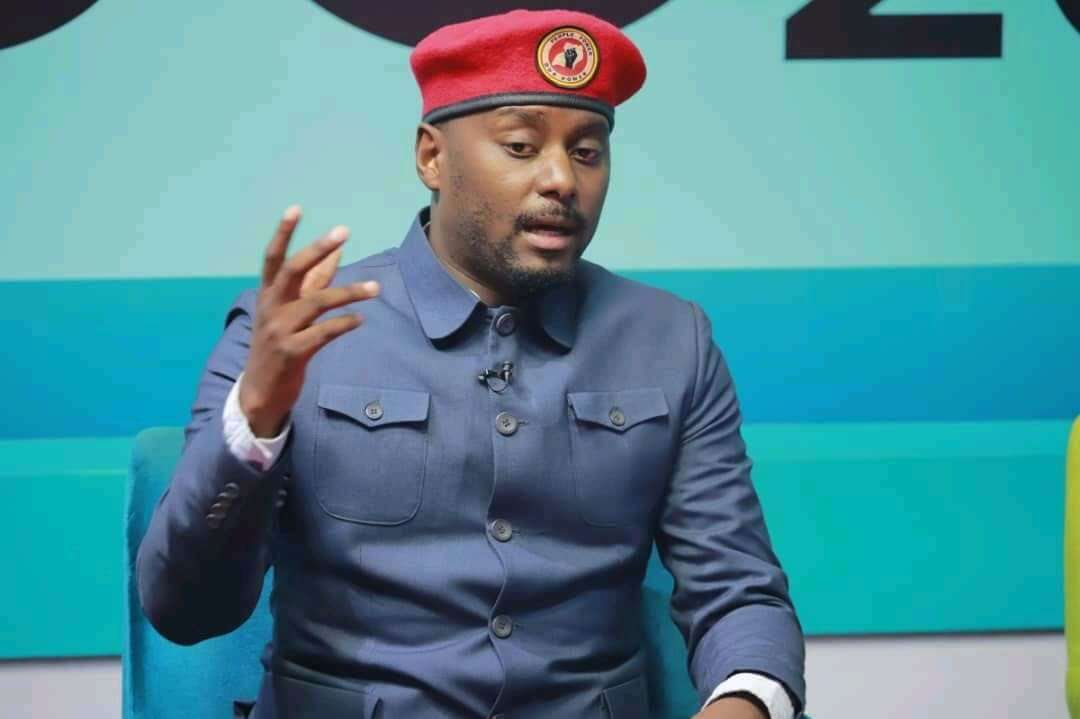
This is why dictator M7 throws “Small victories” to the opposition
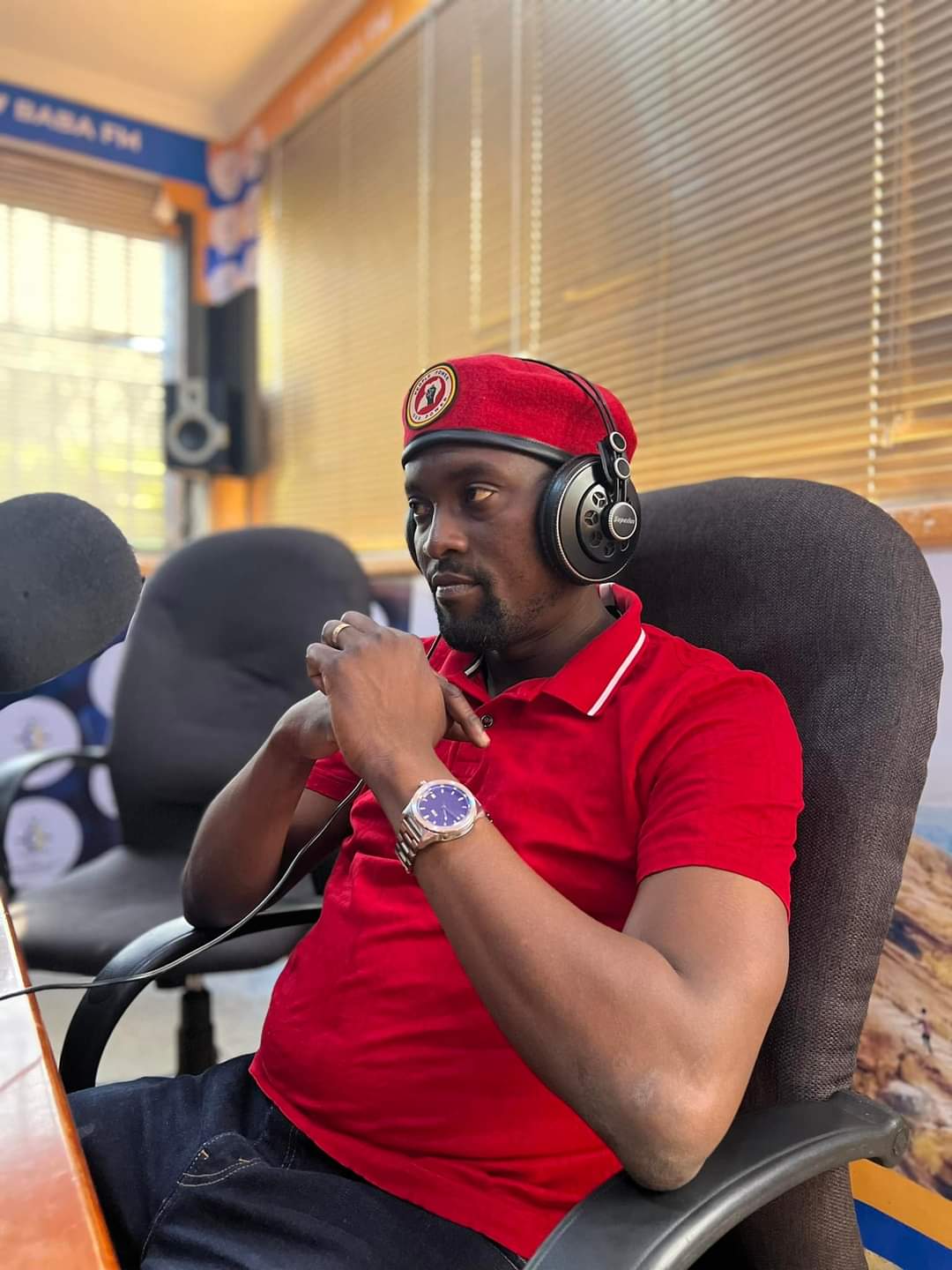
NUP Deputy Spokesperson Waiswa celebrates birthday in style
-
News3 years ago
President Bobi attends burial of wife to ex LOP Oguttu
-
News3 years ago
Bobi meets ex NATO boss, discuss key issues
-
News3 years ago
EXCLUSIVE: A recap of Bobi Wine interview with BBS
-
Uganda4 years ago
This is why dictator M7 throws “Small victories” to the opposition
-
Exclusive4 years ago
NUP Deputy Spokesperson Waiswa celebrates birthday in style
-
 Exclusive3 years ago
Bobi Wine The People’s President Full Documentary