
Exclusive
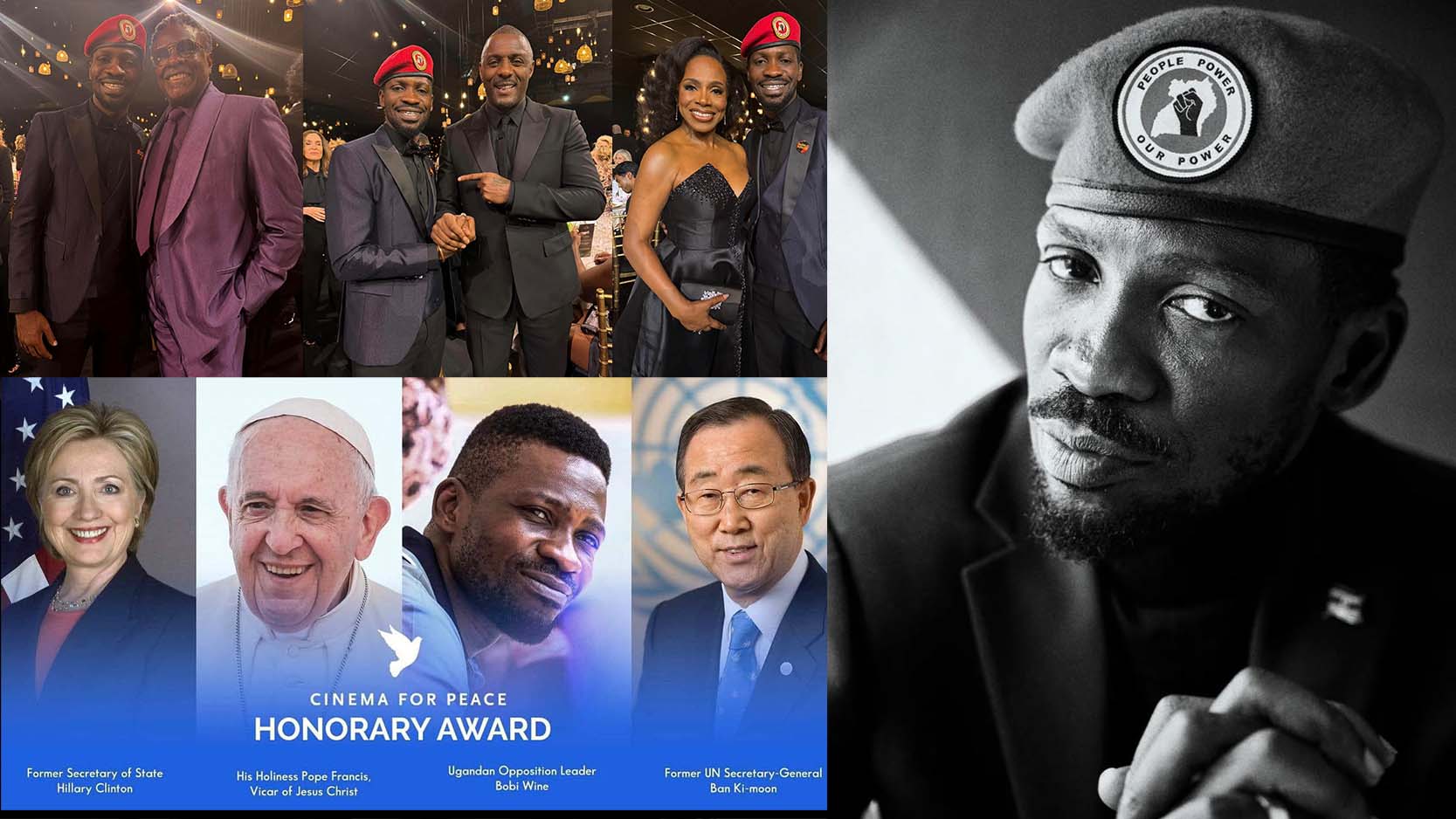
What it means for Bobi Wine to meet Global influencers

An in-depth analysis of What it means for Bobi Wine to meet Global influencers
Bobi Wine’s Meetings with Global Influencers:
Bobi Wine, the Ugandan people’s President, has recently embarked on a series of high-profile meetings with globally renowned figures spanning various domains. From policy makers and activists to iconic filmmakers and acclaimed actors, his interactions transcend mere celebrity photo opportunities and represent strategic strides towards amplifying his advocacy and the broader movement for social change in Uganda. These engagements come in the wake of the critically acclaimed documentary, “Bobi Wine The People’s President,” which has garnered significant acclaim and recognition on the global stage.
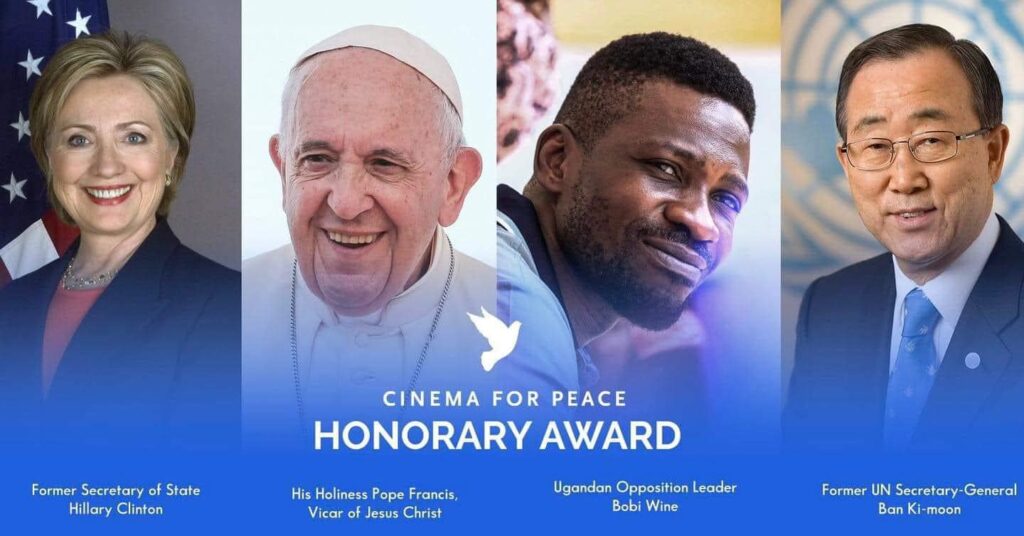
The gripping documentary which unmasks and exposes Museveni’s repressive tactics to cling onto power also chronicles the remarkable journey of Bobi Wine, a pop star-turned-politician, as he strives to dismantle Uganda’s brutal dictatorship under dictator Museveni’s oppressive rule. The film’s profound impact and resonance have propelled it to numerous accolades globally, including an Oscar nomination and the prestigious Best Political Film of the Year award at the Cinema for Peace Awards in Berlin, Germany. This recognition has undoubtedly elevated Bobi Wine’s profile, opening doors to a multitude of platforms and enabling him to meet and engage with influential figures from diverse spheres.
At the forefront of these engagements is Bobi Wine’s pursuit of visibility and outreach. By aligning himself with influential personalities, he taps into their extensive reach and platform, exposing his cause to new audiences that may have previously been oblivious to the challenges plaguing his nation under Dictator Museveni. Celebrities and renowned figures possess the power to captivate the masses, and by leveraging these connections, Bobi Wine can rally support from unexpected quarters, fostering a global consciousness about the dire need for reform in Uganda.
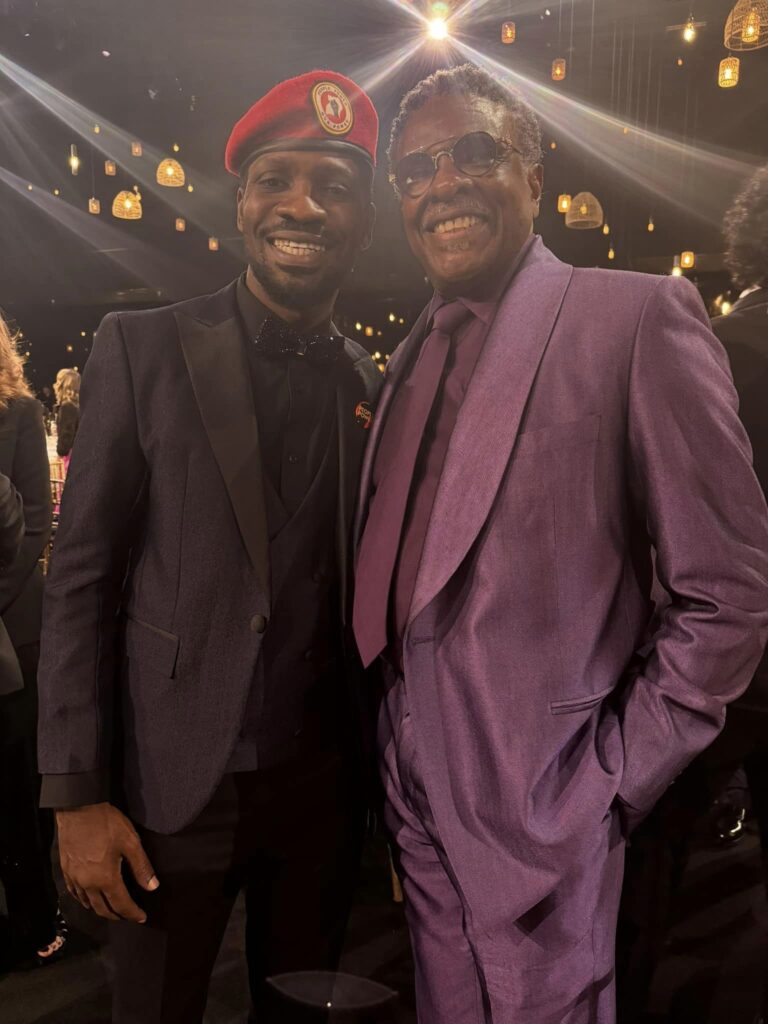
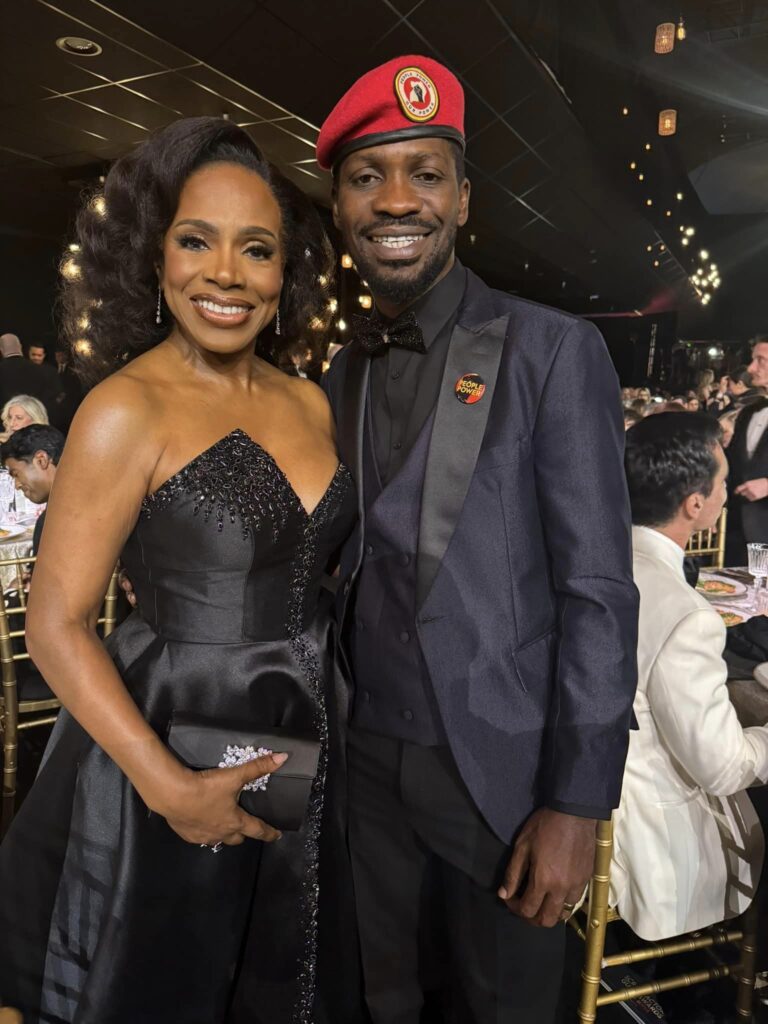
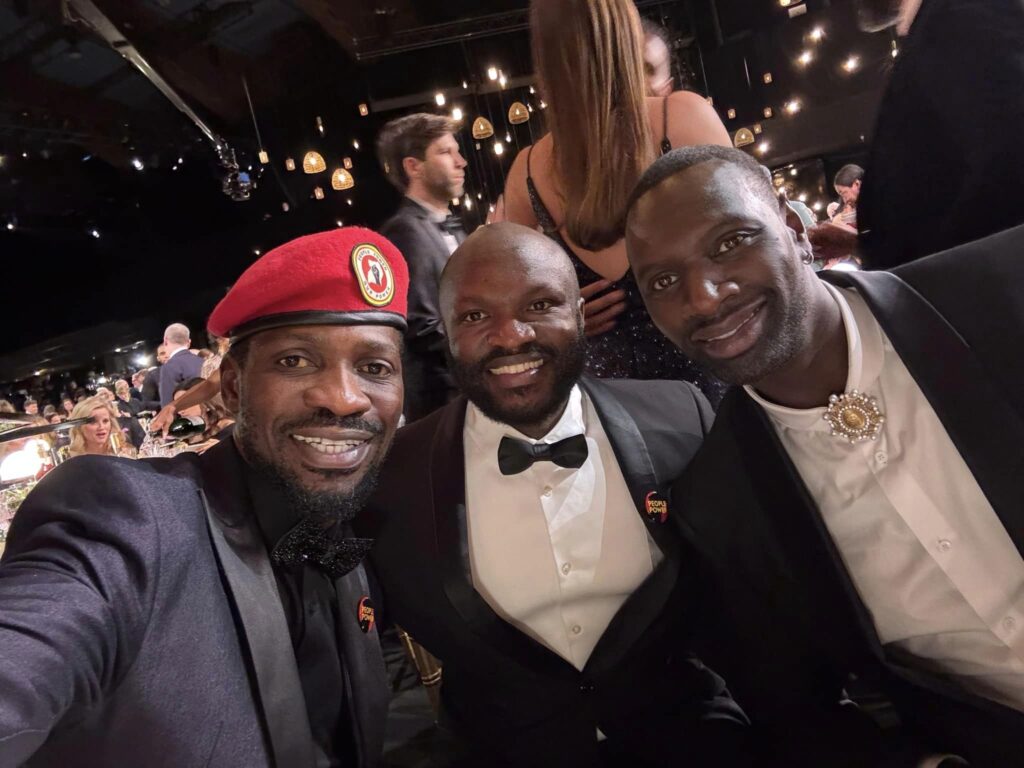
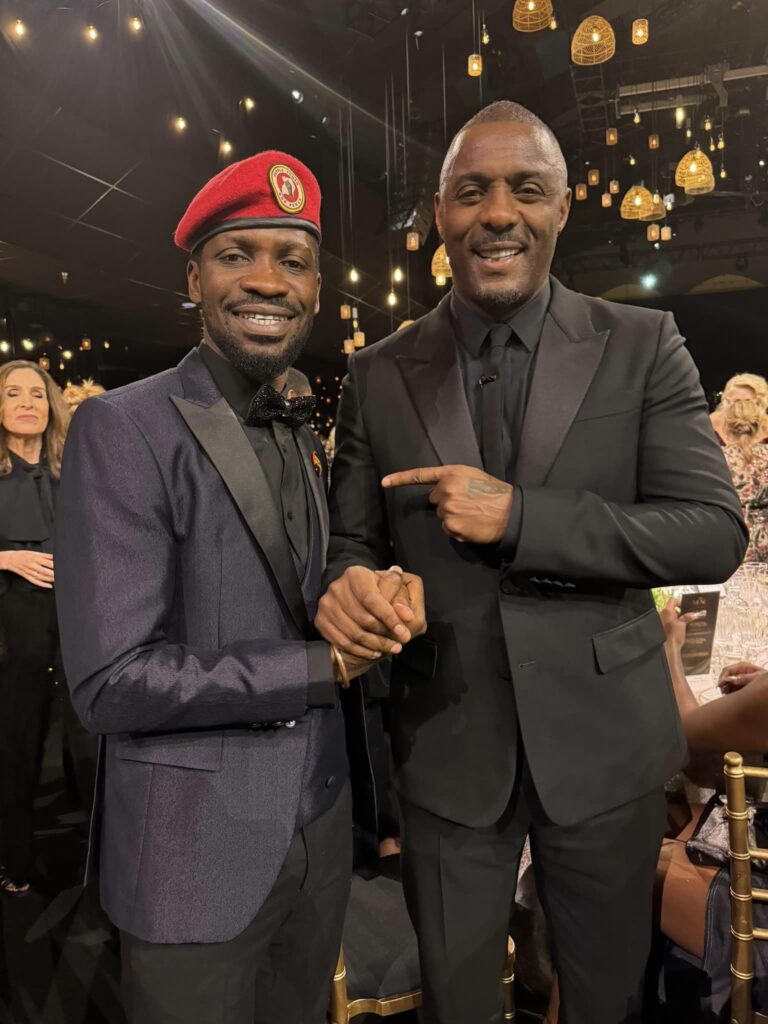
Moreover, the documentary’s success has facilitated Bobi Wine’s ability to forge vital relationships with key decision makers and fellow activists. With the documentary serving as a catalyst, he can engage in dialogues with policymakers and government officials, advocating for change at the highest echelons of power and pushing for legislative and administrative reforms that strike at the root causes of social injustices. Simultaneously, by collaborating with fellow activists who have been inspired by his story, Bobi Wine can strengthen the solidarity within the movement, sharing strategies, experiences, and amplifying their collective voice for change.
The engagements with iconic filmmakers and actors, many of whom have likely been exposed to Bobi Wine’s journey through the documentary, present a unique opportunity for him to leverage the power of storytelling and artistic expression. Through joint initiatives, public statements, and collaborative projects, these creative minds can shed light on the harsh realities of life in Uganda under the Museveni oppressive regime, capturing the hearts and minds of audiences worldwide. Their ability to craft narratives and evoke emotions can serve as a powerful catalyst for raising awareness and igniting a sense of urgency for action.
Significantly, the documentary’s success has also opened doors to invaluable resources and expertise that can bolster Bobi Wine’s activism. From logistical assistance to strategic guidance and networking opportunities, the connections he forges with influential figures who have been moved by his story can provide a range of opportunities that can sustain and propel the momentum of the people power movement.
What it means for Bobi Wine to meet Global influencers
Additionally, Bobi Wine’s engagement with global influencers extends beyond the confines of individual meetings. By cultivating long-term relationships and collaborations, he can tap into their respective spheres of influence, amplifying his message through joint initiatives, public appearances, and social media campaigns. This synergy can create a ripple effect, inspiring others who have been captivated by the documentary to join the cause and lending credibility to the movement’s objectives.
In the broader context, the success of “Bobi Wine: The People’s President” and the subsequent engagements with global figures represent a recognition of the interconnectedness of struggles for justice and human rights across borders. By aligning himself with like-minded individuals and organizations, many of whom have been moved by his story, Bobi Wine can foster a sense of global solidarity, transcending national boundaries and inspiring others to stand in solidarity with the plight of the Ugandan people.
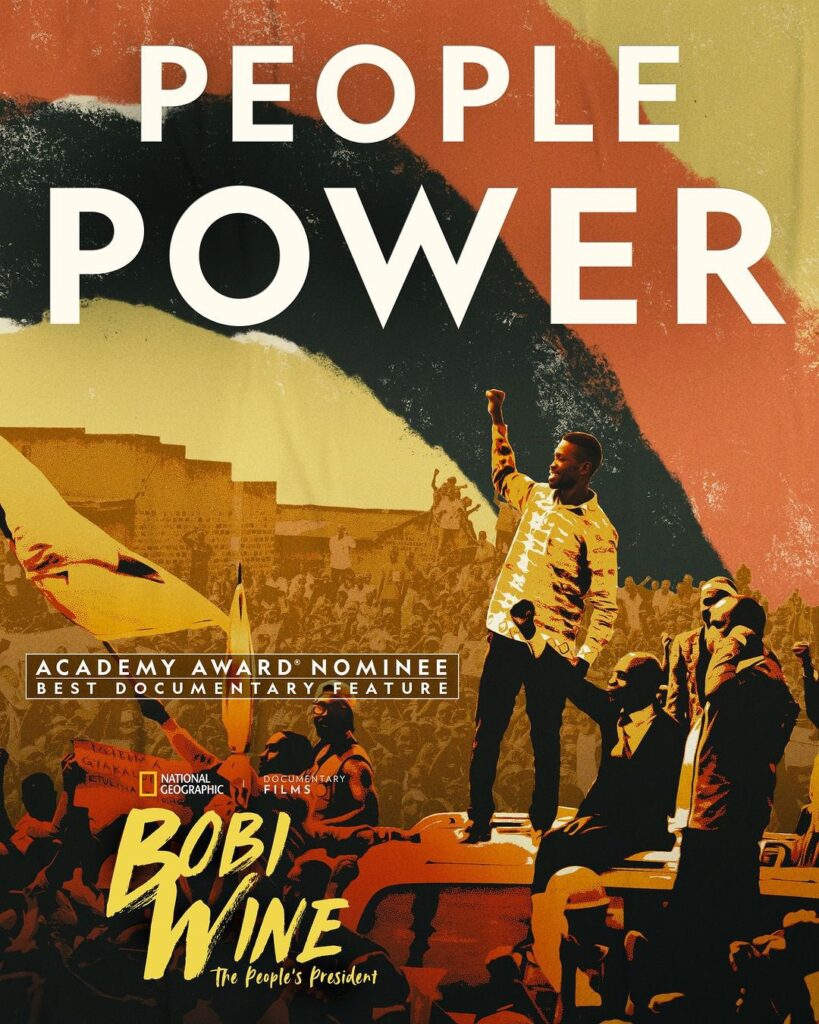
Bobi Wine’s meetings with these global icons are not mere celebrity endorsements but calculated moves to expand his fight for social change in Uganda. By leveraging the influence, resources, and expertise of these individuals who have been touched by his remarkable journey, he can amplify his message, build solidarity, advocate for meaningful reforms, and inspire a global movement that demands justice and upholds the fundamental rights of all people.
What you need to know
- – Yoweri Museveni has been president of Uganda since seizing power in 1986 after a five-year guerrilla war. He has ruled the country for over 38 years through a combination of political repression, constitutional amendments to extend term limits, and suppressing opposition.
- – Uganda is essentially an authoritarian state with Museveni and his political party, the National Resistance Movement, dominating all branches of government and major institutions. Elections are marred by intimidation, violence, and lack of a level playing field.
- – Political opposition, dissent, and criticism of the government are routinely suppressed through arrests, harassment, torture, and extrajudicial killings of opposition figures, activists, and journalists. Freedom of expression, assembly, and the press are severely restricted.
- -The government has cracked down brutally on protests and the political opposition, including conducting a violent crackdown on supporters of Bobi Wine during the 2021 presidential election campaign in which over 150 people were killed.
- – Human rights defenders, civil society organizations, NGOs, and activists face constant harassment, detentions, office raids and shutdowns by security forces under accusations of destabilizing the regime.
- – Entrenched corruption, nepotism, and abuse of public resources are rampant within the government, security services, and the public sector, enriching Museveni’s inner circle and patronage networks.
- – Uganda under Museveni, poverty levels remain high, and wealth is concentrated among the ruling elite. Health, education, and social services are poorly funded and inadequate for most citizens.
- – Museveni wields control over the security forces through leaders loyal to him. The military and police are implicated in human rights abuses, extrajudicial killings, torture, and cracking down violently on dissent.
In essence, Museveni rules as an authoritarian leader, suppressing opposition, dissent, and civil liberties to maintain his grip on power, while also presiding over widespread corruption, economic inequality, and human rights abuses by security forces. This has fueled calls for democratic reforms by the opposition.
Writer
JBMuwonge – Social Activist
www.jbmuwonge.com

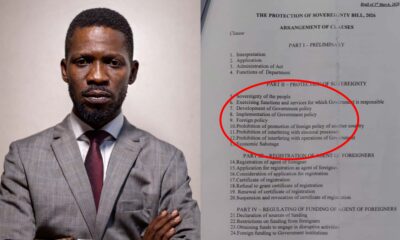
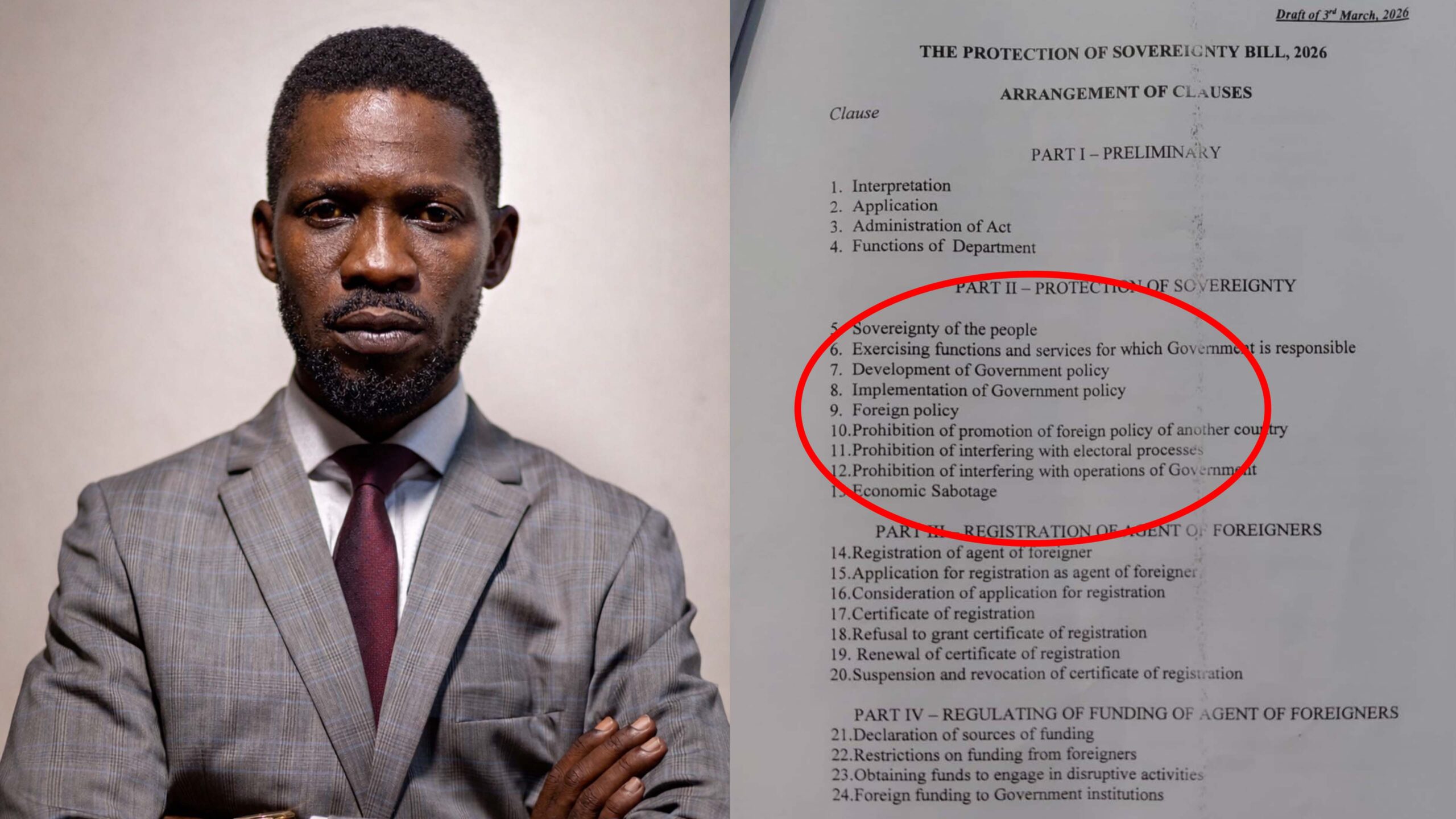
Ugandans are not strangers to laws introduced in the name of order and security—only for them to later restrict freedoms.
From the Public Order Management Act to sections of the Computer Misuse Act, history has shown a clear pattern: laws presented as protective tools have often been applied selectively—targeting opposition leaders, journalists, and ordinary citizens expressing dissent.
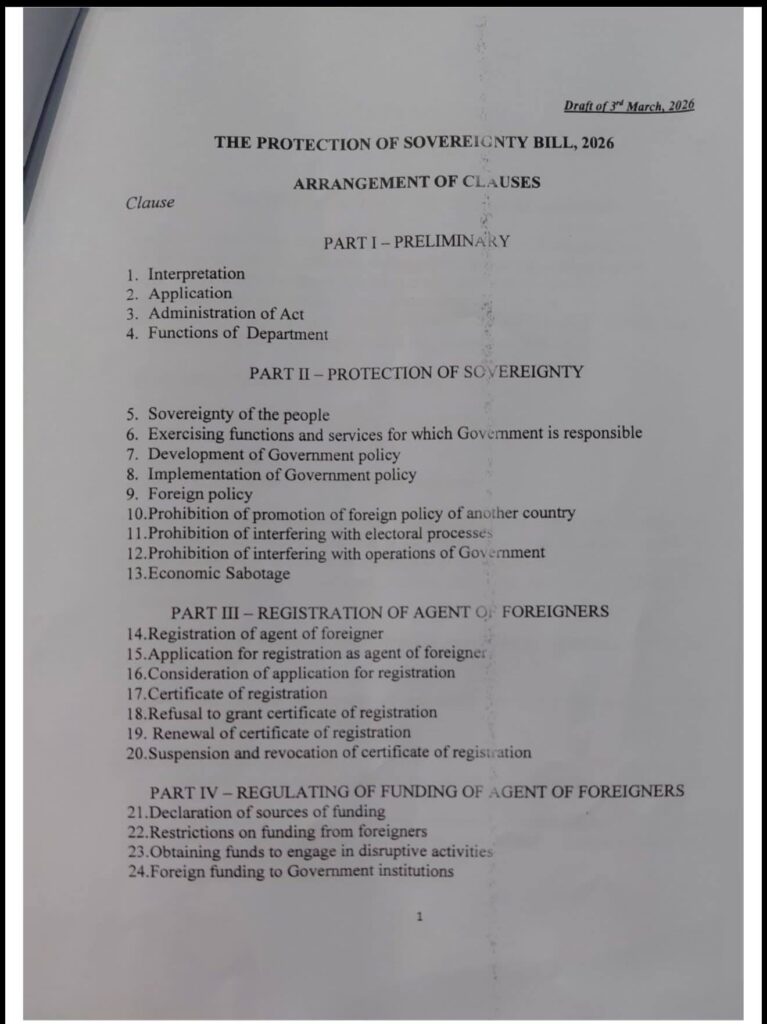
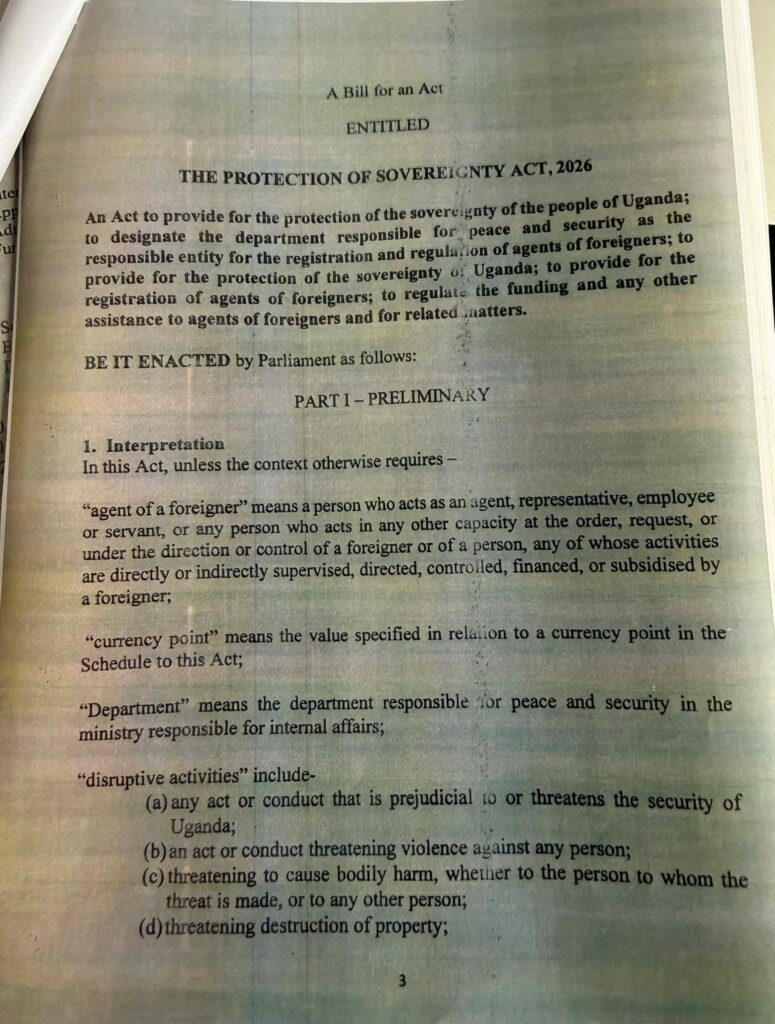
Now, the Protection of Sovereignty Bill, 2026 appears to follow that same path.
⚖️ The most dangerous laws don’t look dangerous
In politics, the most dangerous laws are rarely the ones that openly declare repression.
They are the ones that cloak control in the language of protection.
On paper, this bill promises to defend Uganda from foreign interference. It speaks of independence, dignity, and national control.
But beneath that language lies a deeper reality:
👉 Not a government protecting its people
👉 But a system protecting itself from its people
🔍 A quiet redefinition of sovereignty
Sovereignty, in its purest form, means power belongs to the citizens—it is the foundation of democracy.
But this bill subtly shifts that meaning.
Under its framework:
- Sovereignty becomes something the state must defend
- Not only from foreign actors
- But from any force that challenges authority
This shift is profound.
It blurs the line between:
- External interference
- Domestic dissent
👉 Criticism becomes destabilization
👉 Activism becomes foreign influence
And once that label is applied, suppression becomes not only justified—but legal.
💰 The real target: the lifeline of resistance
Modern civic movements do not survive on ideas alone.
They rely on resources—funding, partnerships, and networks.
This is where the bill strikes with precision.
By:
- Requiring strict declaration of foreign funding
- Allowing monitoring and restriction of external support
- Granting the state power to block financial flows
👉 The law places the lifeline of civil society under control
It does not need to outlaw opposition.
It only needs to starve it.
Human rights organizations, independent media, and grassroots movements—many dependent on international support—could find themselves in a system where:
- Every transaction is suspect
- Every partnership is scrutinized
- Every initiative can be halted
This is not regulation.
👉 This is containment.
🔥 When activism becomes “foreign influence”
This is where the law directly intersects with Bobi Wine and the National Unity Platform.
For years, opposition movements and civic actors have:
- Engaged international media
- Spoken at global forums
- Met foreign policymakers
- Called for accountability and sanctions
- Partnered with international organizations
Under normal democratic practice, this is political advocacy.
But under this law, the same actions can be reframed as:
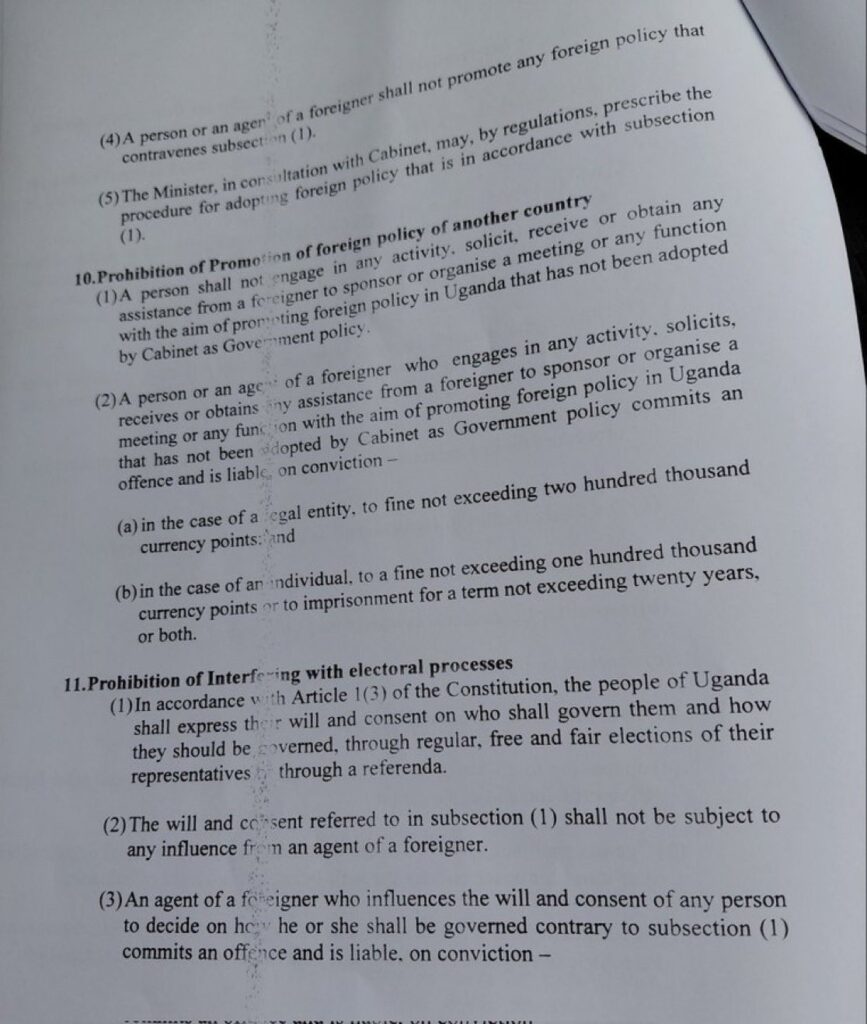
👉 Promoting foreign policy
👉 Receiving foreign assistance
👉 Influencing national processes
What has always been activism can now be redefined as criminal conduct.
🌍 The diaspora: from contributors to suspects
Perhaps the most striking implication is its impact on Ugandans abroad.
For years, the diaspora has:
- Supported families through remittances
- Invested in development
- Advocated for governance and human rights
But under this law:
- Calling for accountability
- Supporting opposition efforts
- Engaging international partners
👉 could be interpreted as interference in national affairs
The consequences are severe:
- Up to 20 years imprisonment
- Massive financial penalties
These are not just punishments.
👉 They are deterrents—designed to silence.
🚨 The deeper risk: criminalizing dissent
The most serious implication is clear:
👉 Activities traditionally considered democratic engagement
can now be labeled as crimes.
This includes:
- Public criticism of government
- International advocacy
- Political organizing
Once framed as “foreign influence,” such actions carry severe penalties.
This is how dissent is not debated—
👉 but criminalized.
💰“Economic sabotage” — a dangerous expansion
The inclusion of “economic sabotage” introduces another powerful tool.
In a country where citizens increasingly demand transparency:
- Questioning public spending
- Exposing misuse of funds
- Demanding accountability
👉 could be interpreted as harming the economy
This flips accountability on its head:
👉 Scrutiny becomes a crime
👉 Silence becomes safety
⚡ A shift in narrative power
Beyond the legal implications, this bill reshapes political perception.
It enables a narrative where:
- Opposition = foreign-backed
- Criticism = external interference
- Activism = threat to sovereignty
And once that narrative is accepted:
👉 Enforcement becomes easy
👉 Suppression becomes justified
Final reflection: What kind of nation is being built?
Laws do more than regulate behavior—they define the character of a nation.
And this law sends a clear message:
- Speak carefully
- Associate cautiously
- Engage at your own risk
That is not the foundation of a confident democracy.
It is the posture of control.
👉 When criticism is redefined as foreign interference, and activism becomes a crime, the question is no longer about sovereignty—it is about freedom.
Revolutionary Articles
Bobi Wine’s Washington Engagement: Institutional Significance and Policy Implications
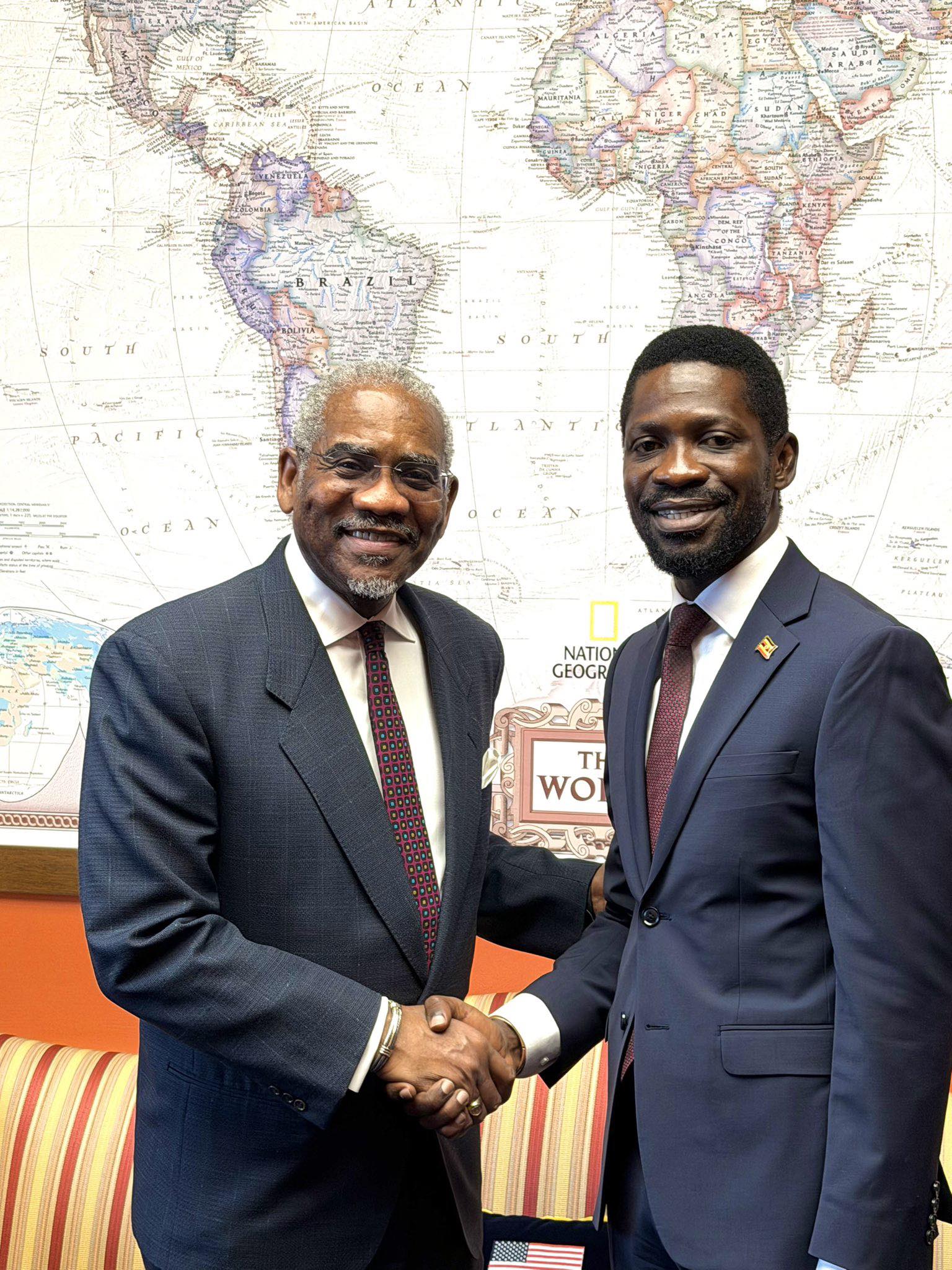
Ugandan opposition leader Bobi Wine who is currently in Washington onthe 28th of March 2026 held discussions with Gregory Meeks, a senior figure in the United States Congress who serves as Ranking Member of the House Foreign Affairs Committee and as a member of the House Committee on Financial Services. The engagement, which also referenced the Congressional Black Caucus, reflects a structured attempt to engage U.S. legislative institutions on governance, human rights, and accountability concerns in Uganda.
While opposition leaders frequently seek international audiences, the relevance of this meeting lies in the institutional weight of the offices involved and the policy mechanisms they influence.
Gregory Meeks: Legislative Influence in Foreign Policy and Finance
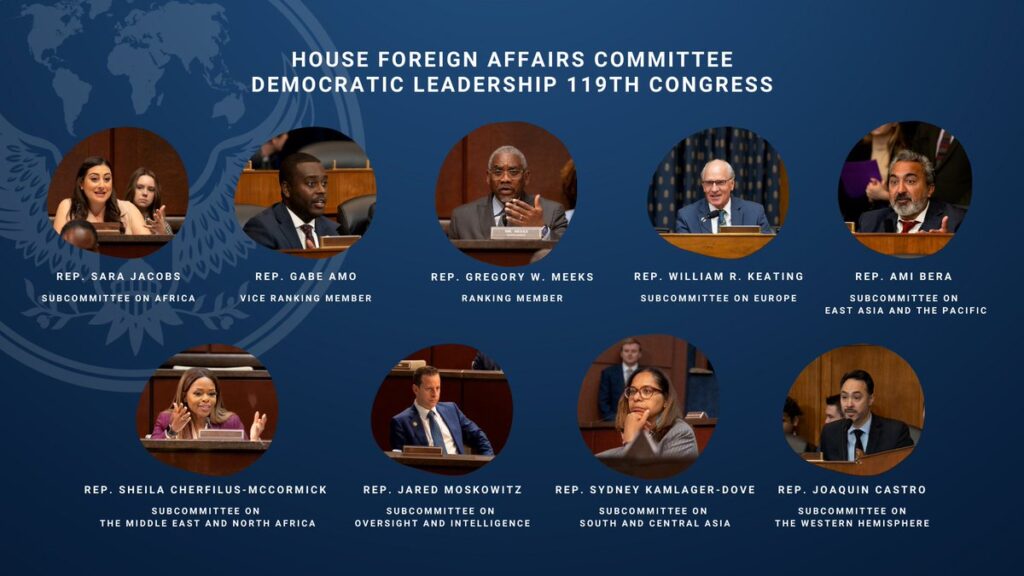
As Ranking Member of the House Foreign Affairs Committee, Gregory Meeks occupies a senior position within one of the most consequential committees in the U.S. Congress. The committee is responsible for oversight and legislation related to foreign policy, including diplomatic relations, foreign assistance, arms sales, and international agreements.
Although U.S. foreign policy is ultimately executed by the executive branch, Congress—through this committee—plays a significant role in shaping its direction. It can convene hearings, request briefings, and introduce legislation that conditions or restricts U.S. engagement with specific countries. In practice, this means that concerns raised at this level can enter formal policy discussions and influence how the United States frames its relationship with Uganda.
https://twitter.com/RepGregoryMeeks?s=20
In addition to his foreign policy role, Meeks serves on the House Committee on Financial Services. This committee oversees the U.S. financial system, including banking regulation, capital markets, and aspects of international finance. Of particular relevance is its indirect role in shaping sanctions frameworks and financial accountability measures. While sanctions are typically administered by the executive branch, Congress contributes to the legal and policy architecture that enables such actions, including legislation targeting corruption, illicit financial flows, and human rights abuses.
Taken together, these roles position Meeks at the intersection of diplomatic and financial levers—two of the primary tools through which the United States exerts influence internationally.
The House Foreign Affairs Committee: Scope and Function
The House Foreign Affairs Committee is central to the legislative branch’s engagement with global affairs. Its responsibilities include:
- Reviewing and shaping foreign aid allocations
- Overseeing U.S. diplomatic missions and international agreements
- Monitoring human rights conditions globally
- Evaluating security partnerships and military cooperation
Through hearings and reports, the committee can elevate specific country situations into the U.S. policy agenda. In cases where governance or human rights concerns are raised consistently, this can lead to increased scrutiny, formal recommendations, or legislative proposals affecting bilateral relations.
The House Committee on Financial Services: Financial Oversight and Accountability
The House Committee on Financial Services plays a distinct but complementary role. It is responsible for oversight of:
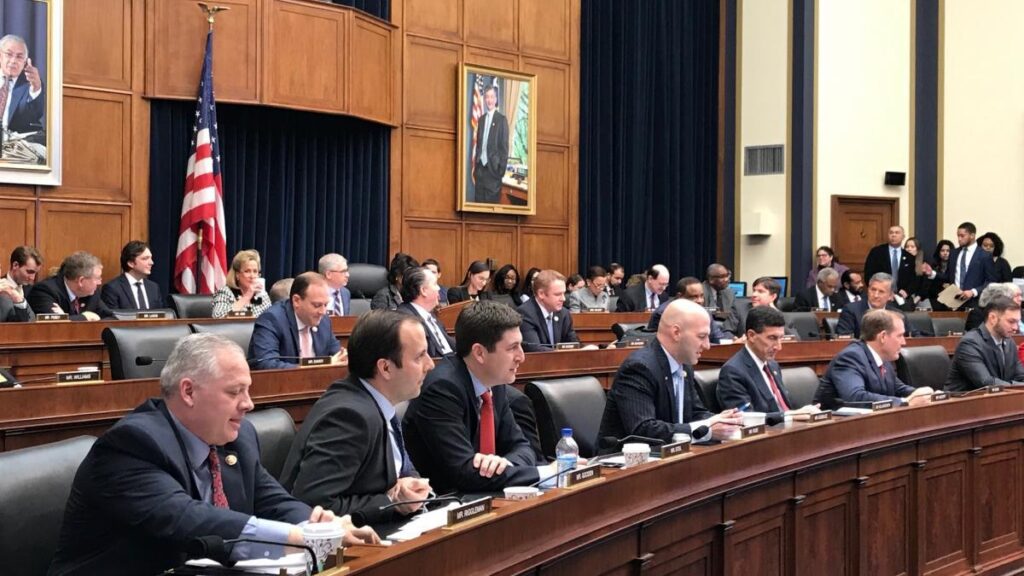
- The U.S. banking system and financial institutions
- International financial transactions and regulatory frameworks
- Anti-money laundering standards and enforcement mechanisms
- Financial sanctions architecture in coordination with other branches of government
While it does not directly impose sanctions, its legislative work can influence how financial tools are used to promote accountability. This includes shaping policies that affect access to international financial systems, particularly in cases involving corruption or human rights violations.
The Congressional Black Caucus
The Congressional Black Caucus is a coalition of African American members of the U.S. Congress. Established in 1971, it has historically played an active role in advocating for civil rights, social justice, and democratic governance, both domestically and internationally.
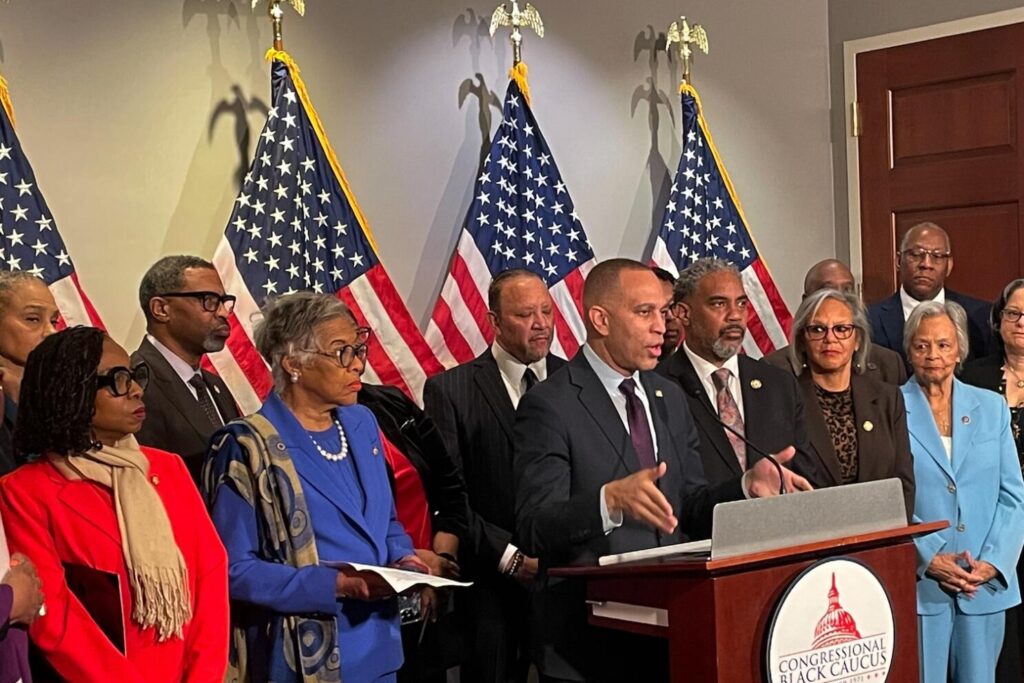
The CBC is one of the most organized and influential blocs in the Democratic Party.
In the context of Africa, the caucus has often taken positions on governance, electoral integrity, and human rights. While it does not exercise formal legislative authority as a committee, it carries political influence through advocacy, public statements, and its ability to shape discourse within Congress.
Its mention in this context suggests an effort to engage not only formal policy structures but also political networks that can amplify attention to specific issues.
Strategic Dimensions of the Bobiwine Engagement
Bobi Wine’s outreach can be understood as part of a broader strategy to engage external actors in addressing domestic political challenges. This approach reflects a recognition that international partnerships and pressure mechanisms can complement internal political processes.
One key dimension is narrative framing. By presenting Uganda’s situation in terms of governance and human rights, the engagement aligns with the criteria often used by international policymakers when assessing bilateral relationships.
Another dimension is access to policy channels. Engaging members of Congress—particularly those in influential committees—provides an opportunity to introduce issues into formal policy discussions. This does not guarantee immediate action, but it establishes a basis for continued engagement and potential follow-up.
A third dimension is visibility. Meetings of this nature contribute to raising international awareness, which can influence how governments, multilateral institutions, and civil society actors perceive and respond to developments in Uganda.
It is important to contextualise the potential impact of such engagements. U.S. foreign policy is shaped by a range of considerations, including strategic interests, regional stability, and long-standing diplomatic relationships. As such, changes in policy tend to be incremental rather than immediate.
Additionally, external engagement by opposition figures can be politically sensitive. Governments may interpret it as an attempt to invite foreign influence, which can affect domestic political dynamics.
The meeting between Bobi Wine and Gregory Meeks reflects a calculated effort to engage with influential U.S. institutions at both the diplomatic and financial levels. By interfacing with committees responsible for foreign policy and financial oversight—and by referencing politically influential groups such as the Congressional Black Caucus—the engagement seeks to position Uganda’s political situation within broader international policy discussions.
The significance of the meeting lies in its institutional context. It represents an attempt to build relationships, shape narratives, and introduce governance concerns into formal channels where they can be examined, debated, and, potentially, acted upon over time.
Exclusive
Double Standards and Silent Complicity: Why Africa’s Dictators Still Thrive in a World That Claims to Defend Democracy

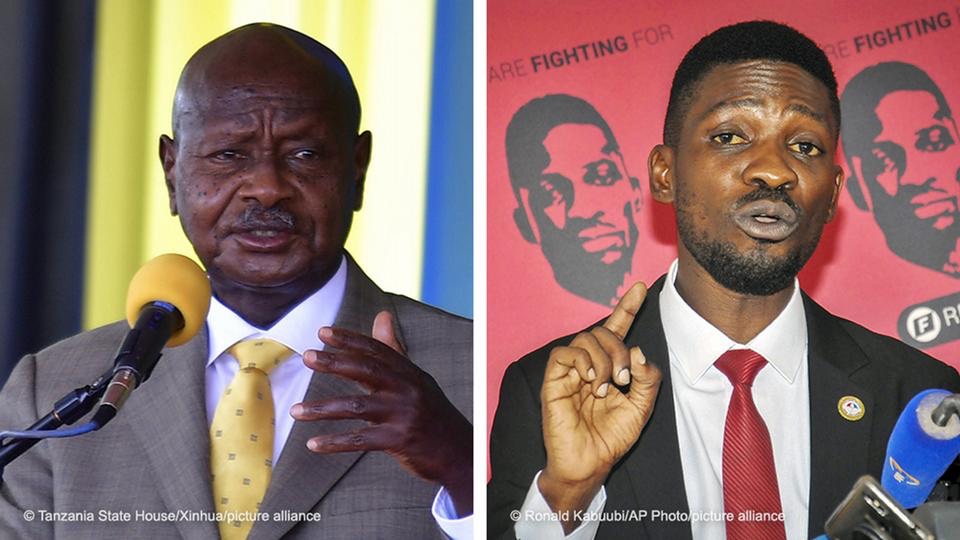
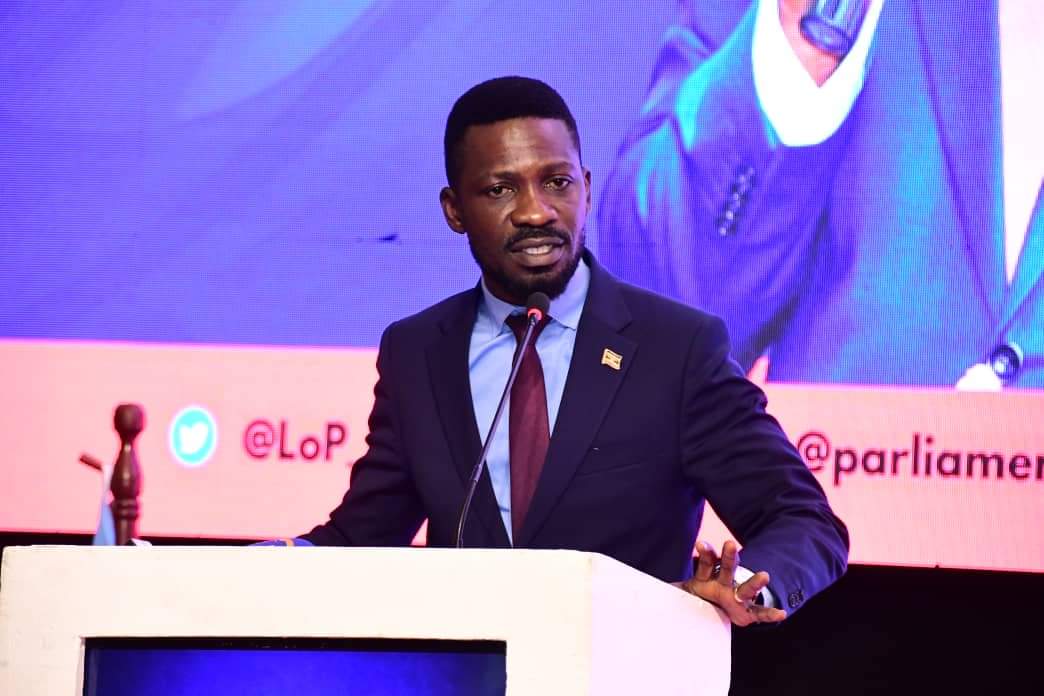
In a powerful address delivered at the One World Institute in Washington, Ugandan opposition leader Bobi Wine raised a question that continues to echo across continents:
“Why is the standard for human rights in Africa set so much lower?”
It is a question that cuts through decades of diplomatic language, exposing a global contradiction that many activists, scholars, and political observers have long warned about—the selective application of democracy.
According to the Freedom House Freedom in the World 2024 report:
Only 8 out of 54 African countries are classified as “Free.” Over 40% of African nations are rated “Not Free.” Political rights and civil liberties scores across Sub-Saharan Africa have declined consistently over the past decade.
Meanwhile, similar democratic violations in Europe trigger swift consequences
Across Europe, leaders are held to stringent democratic standards. When elections are manipulated or opposition voices suppressed, swift consequences often follow—sanctions, isolation, and global condemnation.
Take Alexander Lukashenko, widely labeled Europe’s last dictator. His government has faced severe sanctions and international pressure following disputed elections and human rights violations.
In contrast, as Bobi Wine pointed out, African leaders accused of similar—or worse—abuses often remain firmly in power, sometimes with active financial and military backing from Western governments.
In Uganda, under Yoweri Museveni, opposition leaders have been jailed, protests violently suppressed, and electoral processes repeatedly questioned by international observers. Despite this, Uganda continues to receive substantial foreign aid and maintains strong diplomatic ties with Western powers.
The Economics of Power: Aid Without Accountability
Actually Uganda, under Yoweri Museveni, illustrates this contradiction.
Reports from Human Rights Watch and Amnesty International have documented:
Arbitrary arrests and detention of opposition figures Violent crackdowns on protests Media suppression and intimidation
During the 2021 elections, Human Rights Watch reported that security forces killed at least 54 protesters in November 2020 demonstrations alone.
Yet, despite these findings, Uganda continues to receive substantial foreign assistance.
According to the World Bank:
Uganda receives over $2 billion annually in external financing and aid flows The United States alone has historically contributed hundreds of millions annually, particularly through health and security programs
This raises a critical question:
Why does aid persist without proportional accountability?
Aid Without Conditions: A Structural Contradiction
The International Monetary Fund and World Bank often emphasize governance reforms in policy frameworks. However, enforcement remains inconsistent.
A 2023 analysis by the Brookings Institution noted:
Aid conditionality related to democracy is frequently deprioritized in favor of stability and security cooperation Strategic allies often receive leniency despite governance concerns
Bobi Wine summarized this contradiction succinctly:
“When Western countries fund African dictators, it is called cooperation. But when we demand that aid be tied to democracy and human rights, we are dismissed as Western puppets.”
This paradox reflects a deeper geopolitical reality—strategic interests frequently override democratic principles.
Voices Across Africa: A Growing Chorus of Resistance
Bobi Wine is not alone.
Across the continent, a new generation of activists is challenging both domestic authoritarianism and international complicity:
Julius Malema has repeatedly criticized Western influence in African governance, arguing that economic control often undermines true independence. Ory Okolloh has spoken about governance accountability and the need for citizen-driven reform movements. Y’en a Marre movement has mobilized young people to resist political stagnation and demand democratic renewal.
These voices collectively point to a pattern: African instability is not only internally driven—it is also sustained by external tolerance of repression.
The Geopolitics Behind Silence
Why does this double standard persist?
The answer lies in strategic alliances.
African governments often serve as partners in:
Counterterrorism operations Regional security frameworks Resource access (oil, minerals, rare earth elements)
For Western powers, maintaining these relationships can take precedence over enforcing democratic norms.
This creates what analysts describe as a “stability over democracy” doctrine—where authoritarian regimes are tolerated as long as they ensure predictable cooperation.
A Question of Dignity, Not Dependency
Bobi Wine’s remarks also challenge a damaging stereotype:
“Whenever we come to countries like America, it shouldn’t be assumed that we are only here to ask for money.”
This statement reframes African activism—not as dependency, but as a demand for fairness, dignity, and equal standards.
It asserts that Africans are not passive recipients of aid, but active agents demanding accountability—both from their leaders and from the international community.
The Cost of Silence
The consequences of this global inconsistency are profound:
Entrenched authoritarian regimes Erosion of democratic institutions Youth disillusionment and migration crises Cycles of instability and conflict
When repression is tolerated in one region but condemned in another, it sends a dangerous message—that some lives, some freedoms, and some democracies matter less.
Toward a New Standard
The demand from African activists is not radical—it is simple:
Equal standards.
If election fraud, brutality, and repression are unacceptable in Europe, they must be equally unacceptable in Africa.
If sanctions are justified in one context, they must not be ignored in another.
And if democracy is truly a universal value, it must be defended universally—not selectively.
Conclusion: A Global Reckoning
Bobi Wine’s words are more than criticism—they are a call to action.
They challenge the international community to confront an uncomfortable truth:
the persistence of dictatorship in Africa is not just a failure of African leadership—it is also a failure of global accountability.
Until that changes, the promise of democracy will remain unevenly distributed—
and the question will continue to haunt global politics:
Why does freedom have different prices depending on where you are born?

🚨Uganda’s Protection of Sovereignty Bill would Jail Bobi Wine for 20 years.

Bobi Wine’s Washington Engagement: Institutional Significance and Policy Implications
Double Standards and Silent Complicity: Why Africa’s Dictators Still Thrive in a World That Claims to Defend Democracy

When the Shepherds Fear Power More Than Truth: A Moral Crisis in Uganda’s Religious Leadership

THE GREAT ESCAPE: How Bobi Wine’s Flight Exposed Cracks Inside Museveni’s Regime
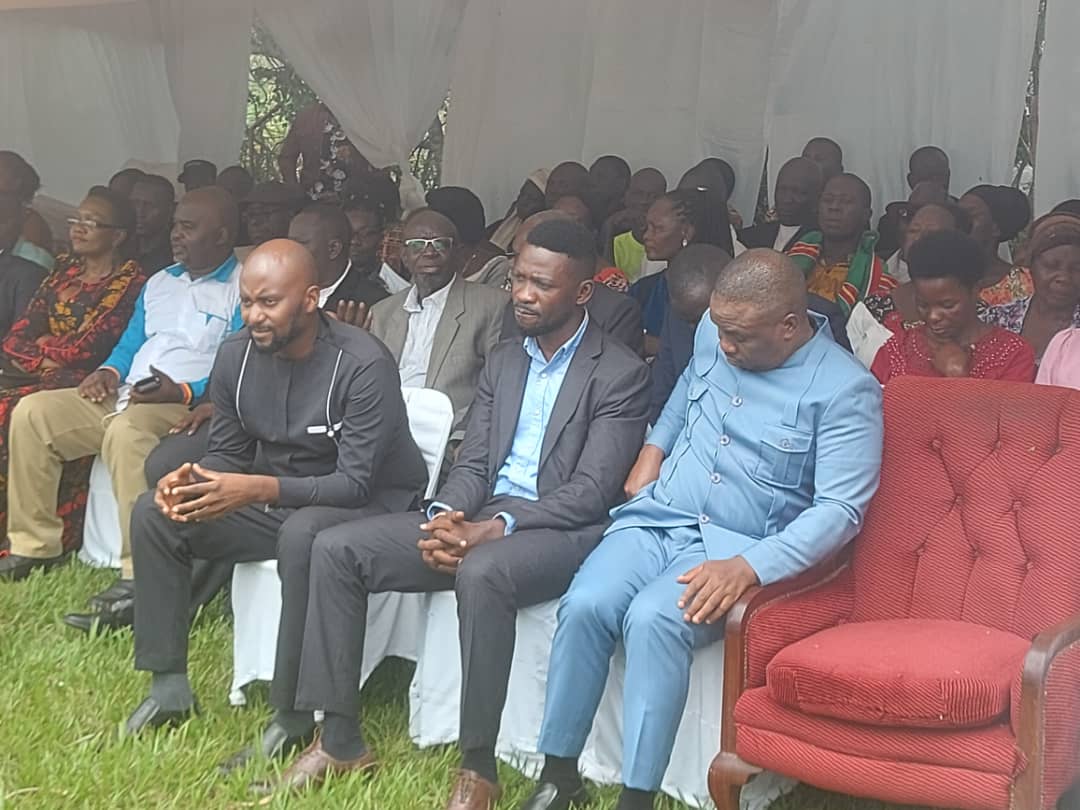
President Bobi attends burial of wife to ex LOP Oguttu
Bobi meets ex NATO boss, discuss key issues
This is why dictator M7 throws “Small victories” to the opposition
EXCLUSIVE: A recap of Bobi Wine interview with BBS
NUP Deputy Spokesperson Waiswa celebrates birthday in style
-
News3 years ago
President Bobi attends burial of wife to ex LOP Oguttu
-
News3 years ago
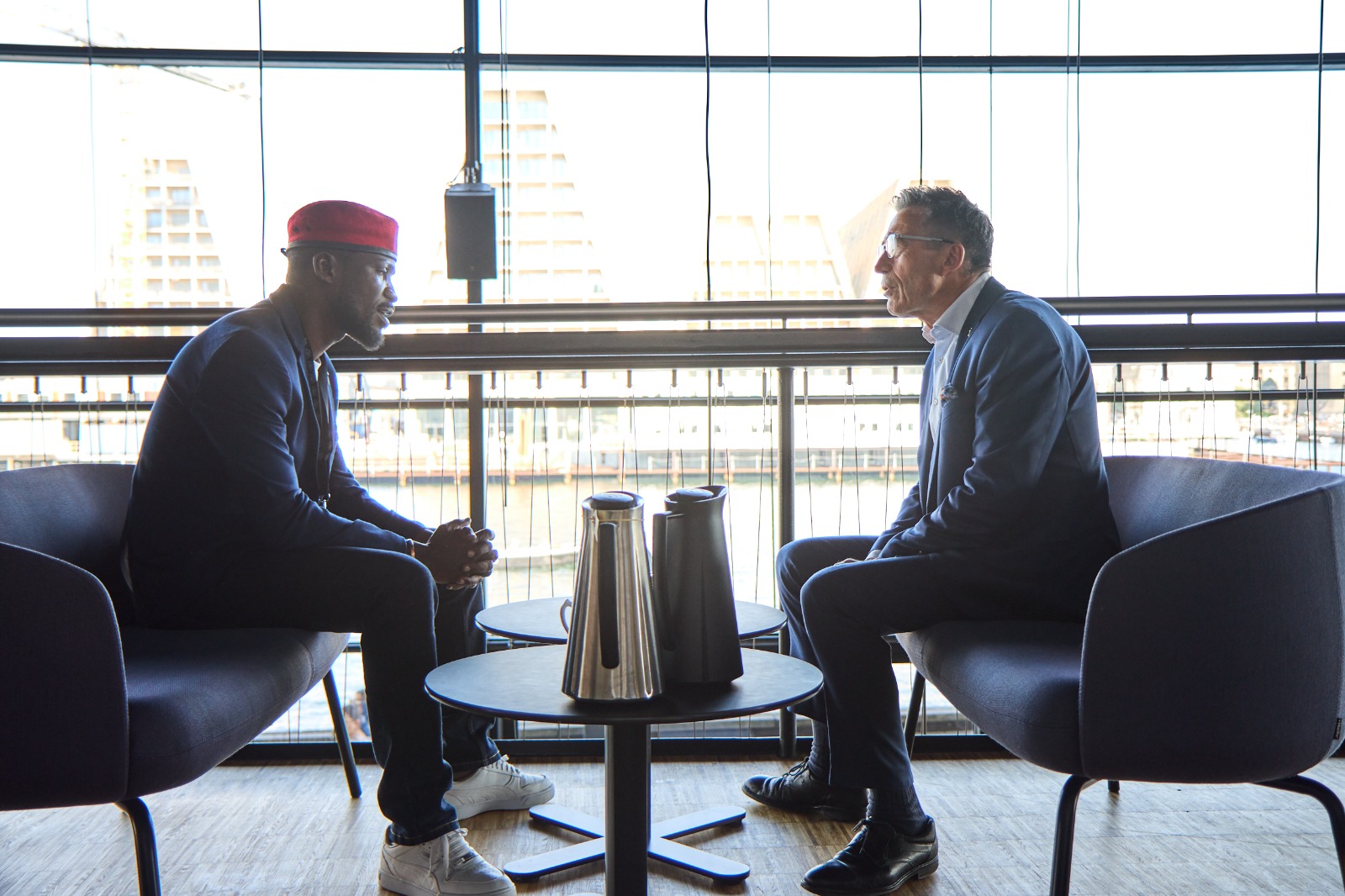
Bobi meets ex NATO boss, discuss key issues
-
Uganda4 years ago
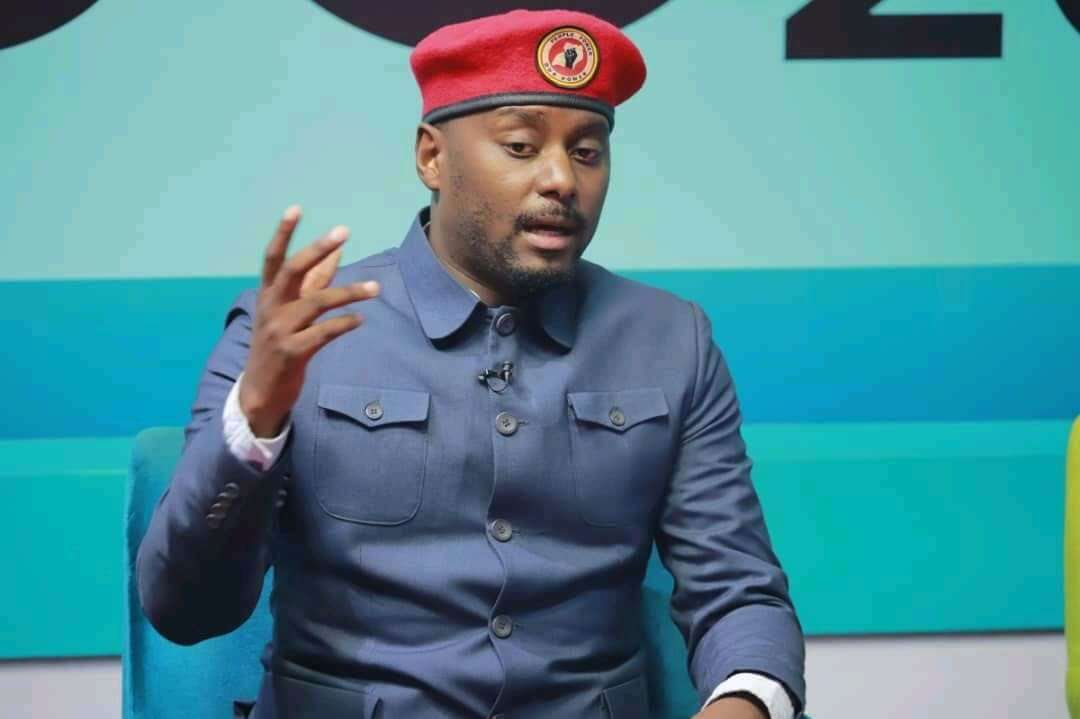
This is why dictator M7 throws “Small victories” to the opposition
-
News3 years ago
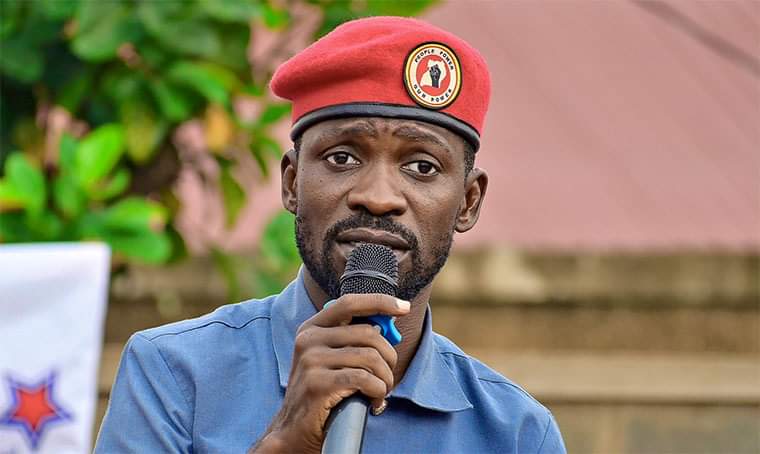
EXCLUSIVE: A recap of Bobi Wine interview with BBS
-
Exclusive3 years ago
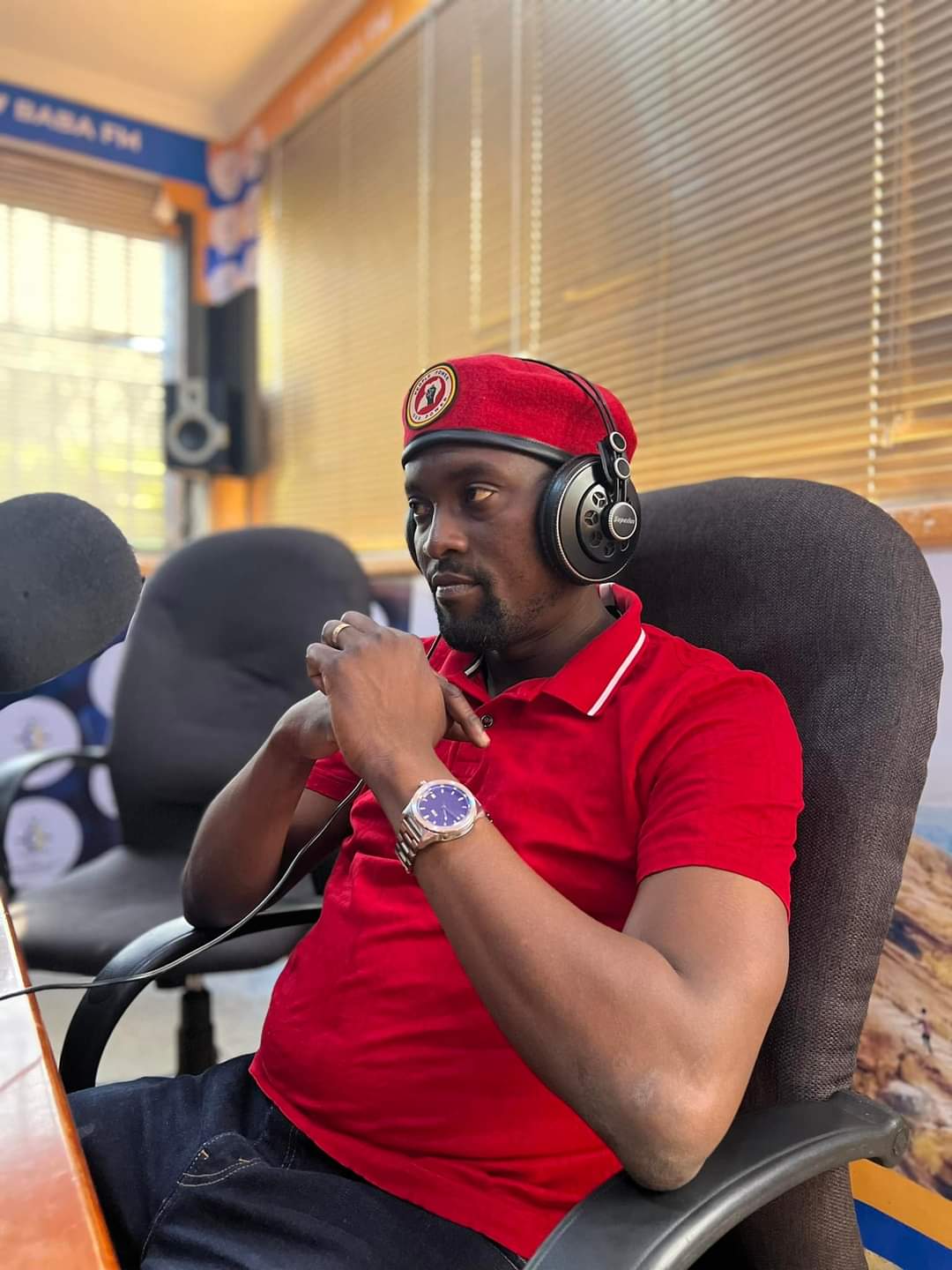
NUP Deputy Spokesperson Waiswa celebrates birthday in style
-
 Exclusive2 years ago
Bobi Wine The People’s President Full Documentary