Revolutionary Articles
Bobi Wine’s Washington Engagement: Institutional Significance and Policy Implications
Ugandan opposition leader Bobi Wine who is currently in Washington onthe 28th of March 2026 held discussions with Gregory Meeks, a senior figure in the United States Congress who serves as Ranking Member of the House Foreign Affairs Committee and as a member of the House Committee on Financial Services. The engagement, which also referenced the Congressional Black Caucus, reflects a structured attempt to engage U.S. legislative institutions on governance, human rights, and accountability concerns in Uganda.
While opposition leaders frequently seek international audiences, the relevance of this meeting lies in the institutional weight of the offices involved and the policy mechanisms they influence.
Gregory Meeks: Legislative Influence in Foreign Policy and Finance
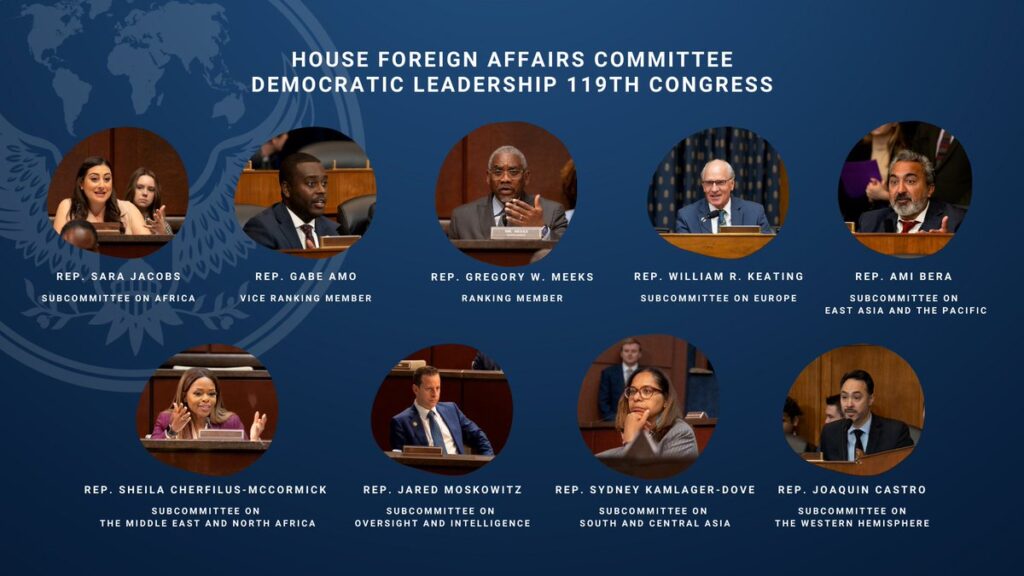
As Ranking Member of the House Foreign Affairs Committee, Gregory Meeks occupies a senior position within one of the most consequential committees in the U.S. Congress. The committee is responsible for oversight and legislation related to foreign policy, including diplomatic relations, foreign assistance, arms sales, and international agreements.
Although U.S. foreign policy is ultimately executed by the executive branch, Congress—through this committee—plays a significant role in shaping its direction. It can convene hearings, request briefings, and introduce legislation that conditions or restricts U.S. engagement with specific countries. In practice, this means that concerns raised at this level can enter formal policy discussions and influence how the United States frames its relationship with Uganda.
https://twitter.com/RepGregoryMeeks?s=20
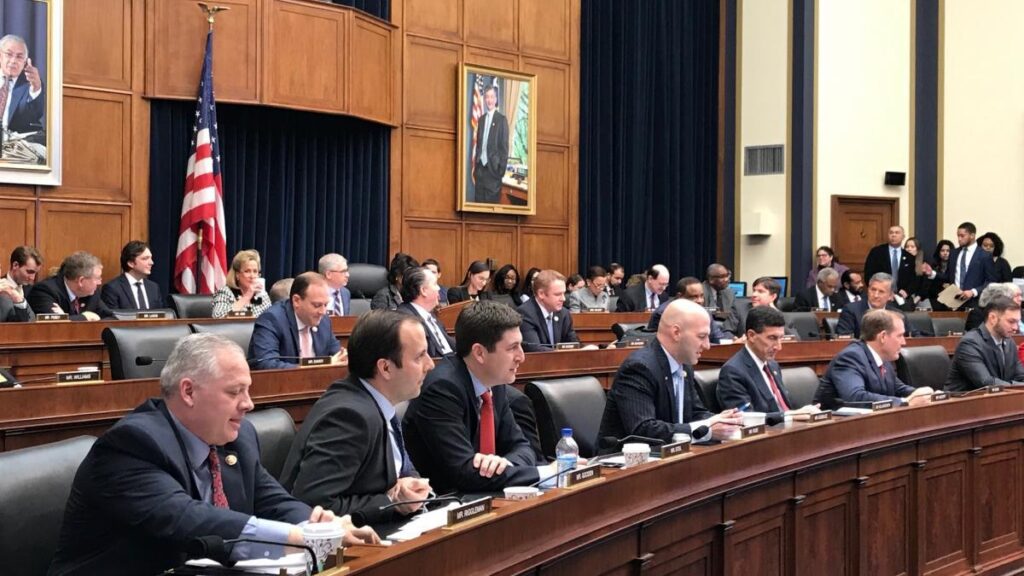
In addition to his foreign policy role, Meeks serves on the House Committee on Financial Services. This committee oversees the U.S. financial system, including banking regulation, capital markets, and aspects of international finance. Of particular relevance is its indirect role in shaping sanctions frameworks and financial accountability measures. While sanctions are typically administered by the executive branch, Congress contributes to the legal and policy architecture that enables such actions, including legislation targeting corruption, illicit financial flows, and human rights abuses.
Taken together, these roles position Meeks at the intersection of diplomatic and financial levers—two of the primary tools through which the United States exerts influence internationally.
The House Foreign Affairs Committee: Scope and Function
The House Foreign Affairs Committee is central to the legislative branch’s engagement with global affairs. Its responsibilities include:

- Reviewing and shaping foreign aid allocations
- Overseeing U.S. diplomatic missions and international agreements
- Monitoring human rights conditions globally
- Evaluating security partnerships and military cooperation
Through hearings and reports, the committee can elevate specific country situations into the U.S. policy agenda. In cases where governance or human rights concerns are raised consistently, this can lead to increased scrutiny, formal recommendations, or legislative proposals affecting bilateral relations.
The House Committee on Financial Services: Financial Oversight and Accountability
The House Committee on Financial Services plays a distinct but complementary role. It is responsible for oversight of:
- The U.S. banking system and financial institutions
- International financial transactions and regulatory frameworks
- Anti-money laundering standards and enforcement mechanisms
- Financial sanctions architecture in coordination with other branches of government
While it does not directly impose sanctions, its legislative work can influence how financial tools are used to promote accountability. This includes shaping policies that affect access to international financial systems, particularly in cases involving corruption or human rights violations.
The Congressional Black Caucus
The Congressional Black Caucus is a coalition of African American members of the U.S. Congress. Established in 1971, it has historically played an active role in advocating for civil rights, social justice, and democratic governance, both domestically and internationally.

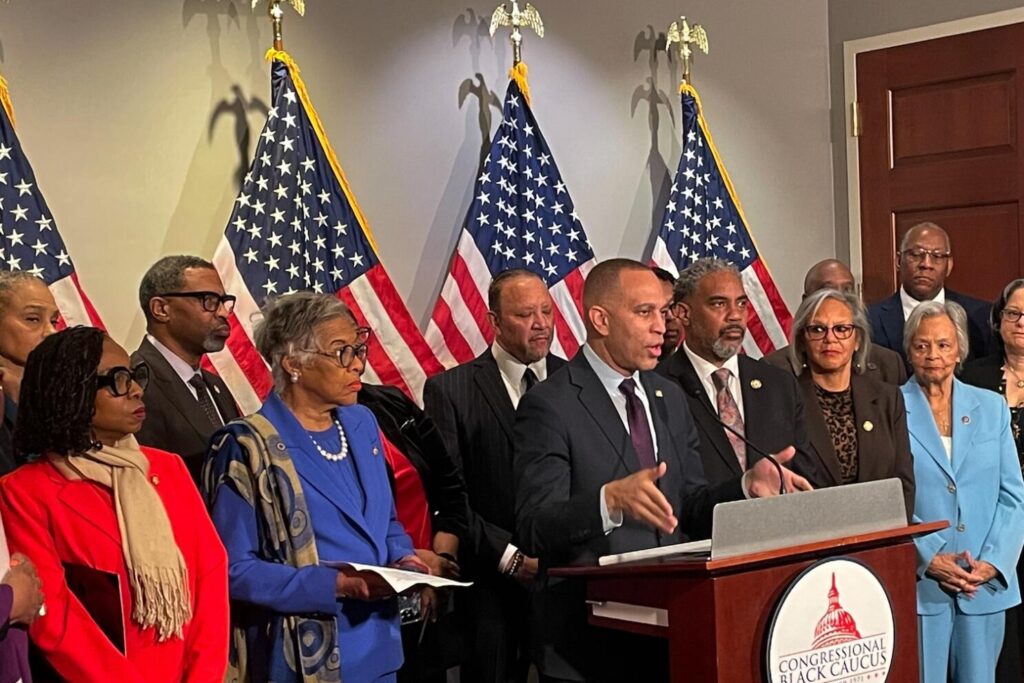
The CBC is one of the most organized and influential blocs in the Democratic Party.
In the context of Africa, the caucus has often taken positions on governance, electoral integrity, and human rights. While it does not exercise formal legislative authority as a committee, it carries political influence through advocacy, public statements, and its ability to shape discourse within Congress.
Its mention in this context suggests an effort to engage not only formal policy structures but also political networks that can amplify attention to specific issues.
Strategic Dimensions of the Bobiwine Engagement
Bobi Wine’s outreach can be understood as part of a broader strategy to engage external actors in addressing domestic political challenges. This approach reflects a recognition that international partnerships and pressure mechanisms can complement internal political processes.
One key dimension is narrative framing. By presenting Uganda’s situation in terms of governance and human rights, the engagement aligns with the criteria often used by international policymakers when assessing bilateral relationships.
Another dimension is access to policy channels. Engaging members of Congress—particularly those in influential committees—provides an opportunity to introduce issues into formal policy discussions. This does not guarantee immediate action, but it establishes a basis for continued engagement and potential follow-up.
A third dimension is visibility. Meetings of this nature contribute to raising international awareness, which can influence how governments, multilateral institutions, and civil society actors perceive and respond to developments in Uganda.
It is important to contextualise the potential impact of such engagements. U.S. foreign policy is shaped by a range of considerations, including strategic interests, regional stability, and long-standing diplomatic relationships. As such, changes in policy tend to be incremental rather than immediate.
Additionally, external engagement by opposition figures can be politically sensitive. Governments may interpret it as an attempt to invite foreign influence, which can affect domestic political dynamics.
The meeting between Bobi Wine and Gregory Meeks reflects a calculated effort to engage with influential U.S. institutions at both the diplomatic and financial levels. By interfacing with committees responsible for foreign policy and financial oversight—and by referencing politically influential groups such as the Congressional Black Caucus—the engagement seeks to position Uganda’s political situation within broader international policy discussions.
The significance of the meeting lies in its institutional context. It represents an attempt to build relationships, shape narratives, and introduce governance concerns into formal channels where they can be examined, debated, and, potentially, acted upon over time.